

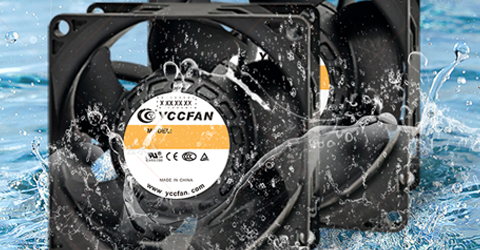




Can an Engine Cooling Fan Reduce MPG or Range ?
Cooling isn’t free. Whether your powertrain is ICE, hybrid, or EV, the engine cooling fan trades energy for lower temperatures—drawing horsepower from the crank or watts from the battery/alternator. This post explains how fan drive type, operating conditions, and system design affect fuel consumption and vehicle range, then closes with practical ways to reclaim miles: smarter hardware, cleaner airflow paths, tighter controls, and simple maintenance habits.
How Engine Cooling Fans Affect Fuel Consumption
Engine cooling fan: drive & energy path
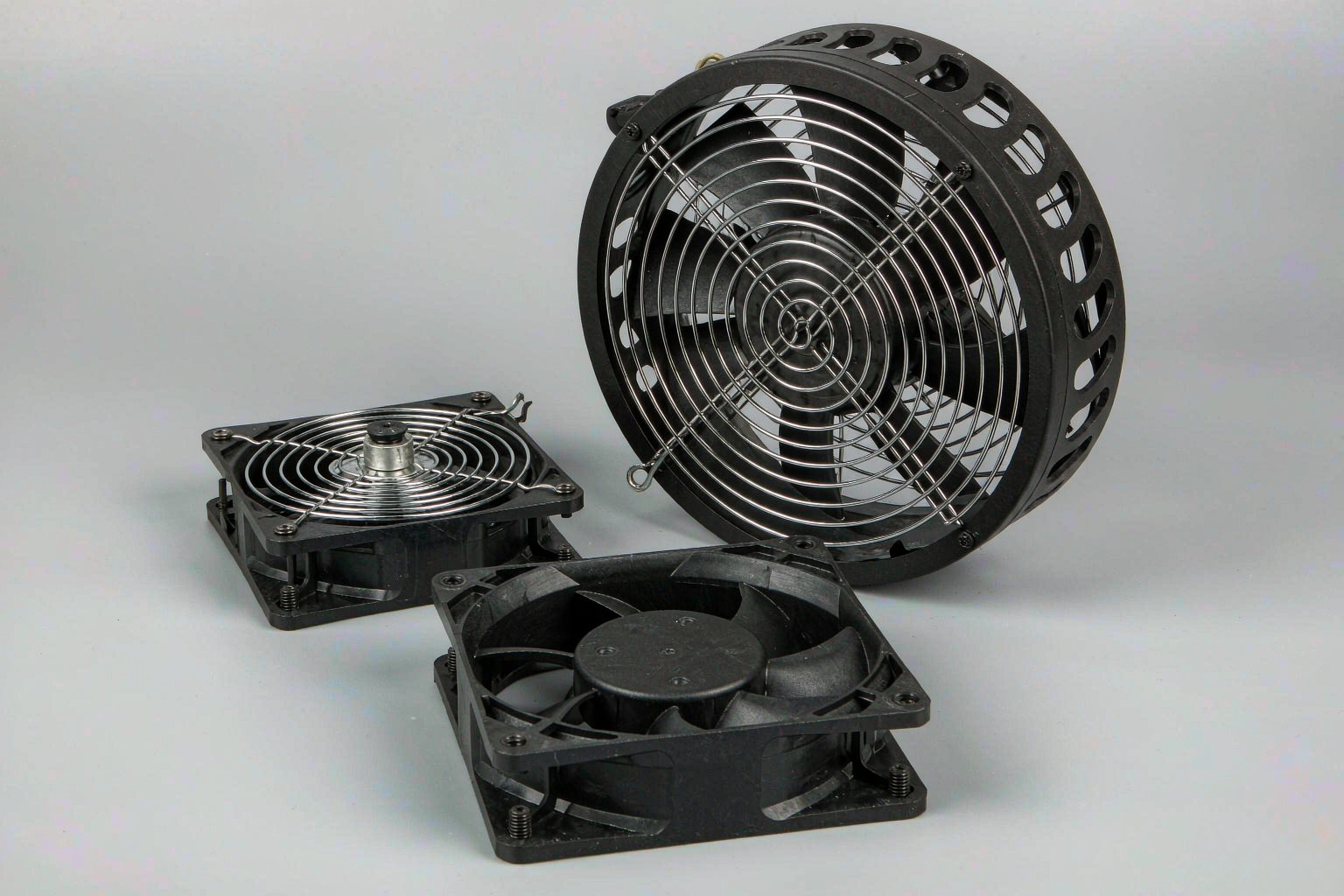
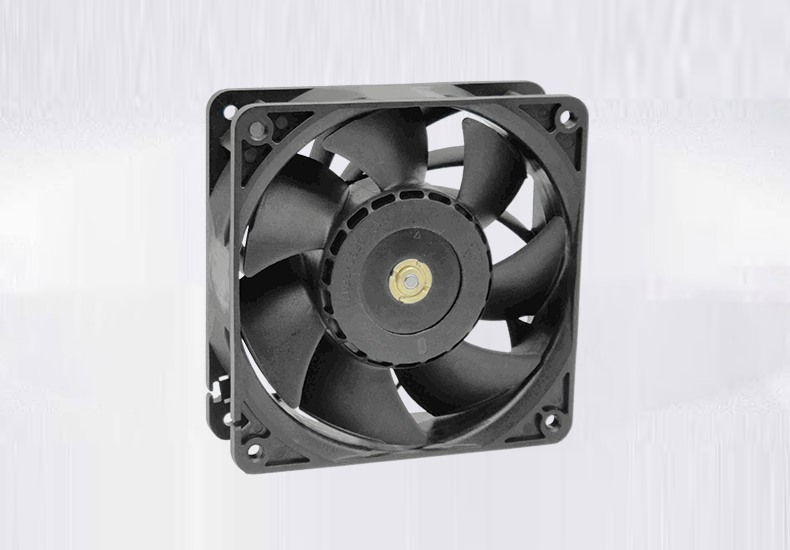
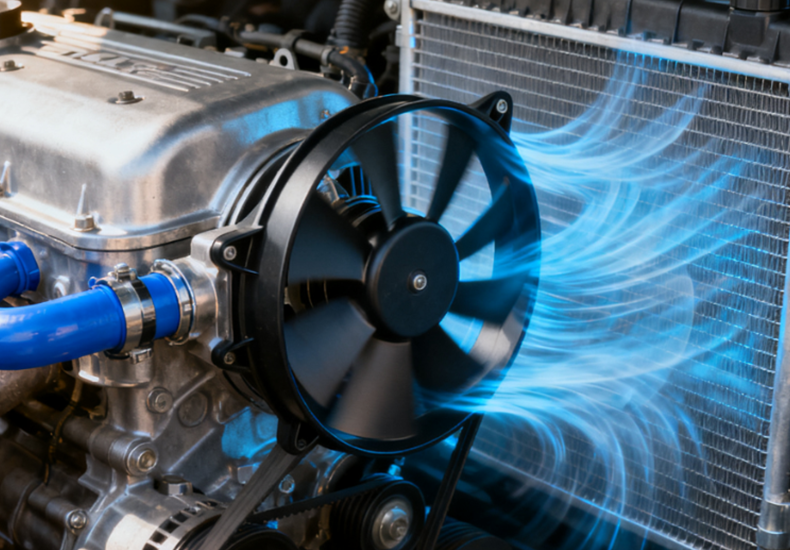
An engine-driven engine cooling fan takes power directly from the crankshaft, and its demand rises roughly with the cube of RPM. That’s why a stuck or overly aggressive viscous clutch can soak up noticeable horsepower in slow traffic, during towing, or on hot days. An electric engine cooling fan doesn’t make the load vanish—it moves it to the alternator, adding conversion losses between the crank and the blades. The takeaway is the same in both cases: trim unnecessary fan speed and you trim fuel use. Variable-speed electric fans have an extra advantage because they’re not tied to engine RPM; at steady cruise, they can idle gently or switch off when ram air provides enough cooling.
Engine cooling fan: operating conditions & duty cycle
Real-world conditions dictate how often and how hard the cooling fan for car has to work. High ambient temperatures, heavy A/C use, stop-and-go traffic with little ram air, or debris-clogged heat exchangers all push the fan to run longer and faster. On the highway, clean airflow often lets it coast. Altitude also matters: thinner air means less mass flow at the same RPM, so controllers respond with higher speeds or longer run times. After a steep climb or towing, heat soak can keep the fan spinning at idle—or even briefly after shutdown—stretching the duty cycle and nudging fuel consumption upward.
Engine cooling fan: system efficiency & design
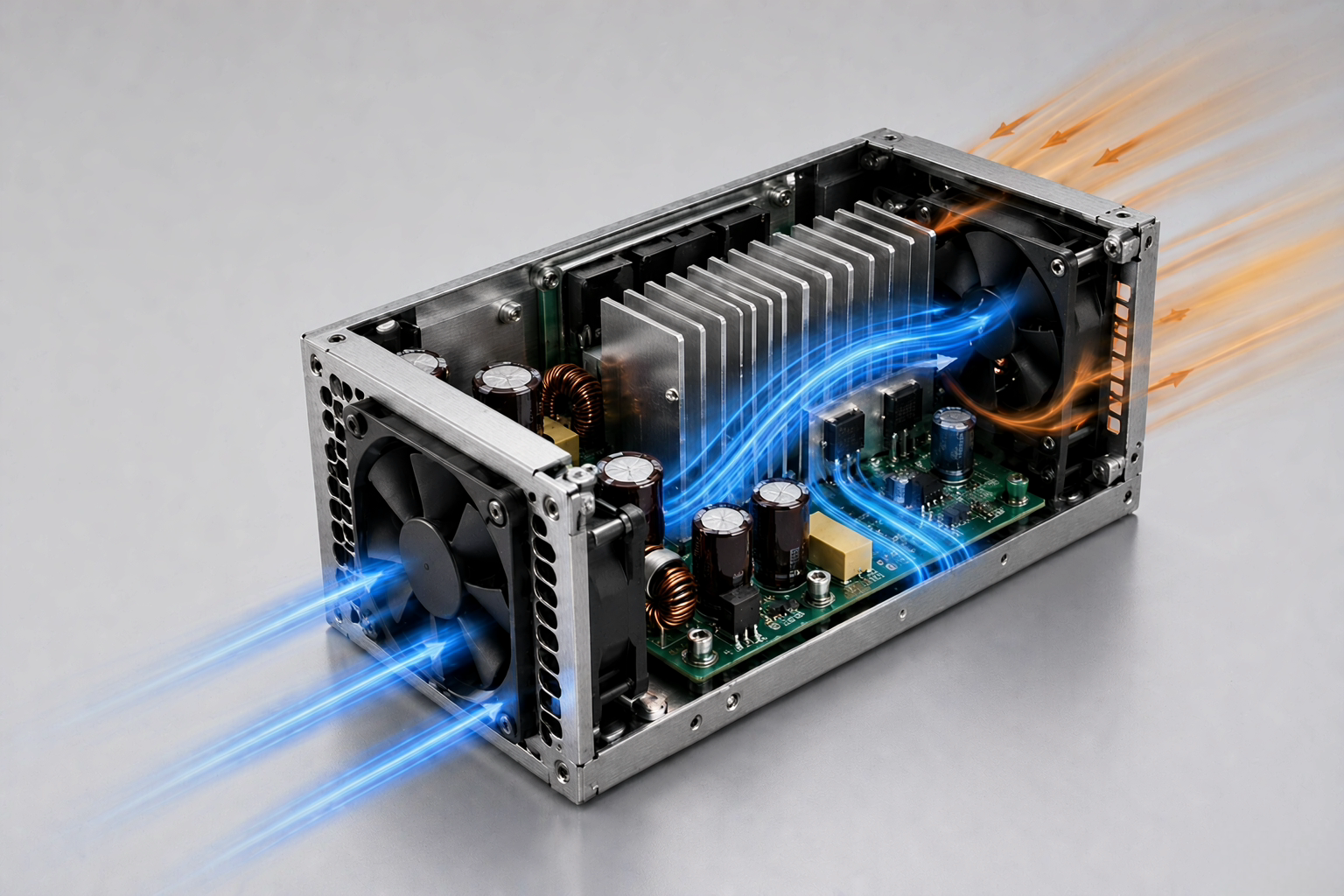
Clean aerodynamics help the engine cooling fan deliver more cooling per unit of power. Tight shrouds, small tip gaps, bellmouth inlets, and smooth duct transitions reduce separation and recirculation, letting the fan operate near its sweet spot for pressure and flow. Keep radiator, condenser, and intercooler faces clean; stack them in a sensible order; and seal the module to block hot-air recirculation. Lower pressure drop means the same temperature control at lower fan RPM. Where packaging allows, active grille shutters can further cut fan workload and aerodynamic drag at cruise.
Impact of Engine Cooling Fans on Vehicle Range
How an engine cooling fan affects ICE and hybrid MPG
In gasoline and hybrid vehicles, extra engine cooling fan work shows up at the pump: more fan load means more fuel burned, most noticeably in stop-and-go traffic, on long grades, when towing, or in high ambient temperatures. Hybrids take a double hit—the engine may start more often to power the alternator and to keep coolant on target, which trims electric-only miles. Aggressive fan maps can also disable stop-start at idle to protect A/C and coolant temps, adding idle consumption. Keeping heat exchangers clean, confirming viscous-clutch or controller behavior, and sealing out hot-air recirculation all cut needless fan engagement and help preserve real-world MPG.
EV range: thermal management’s hidden tax
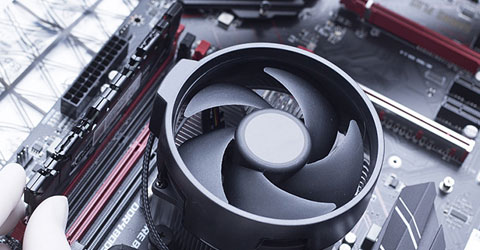
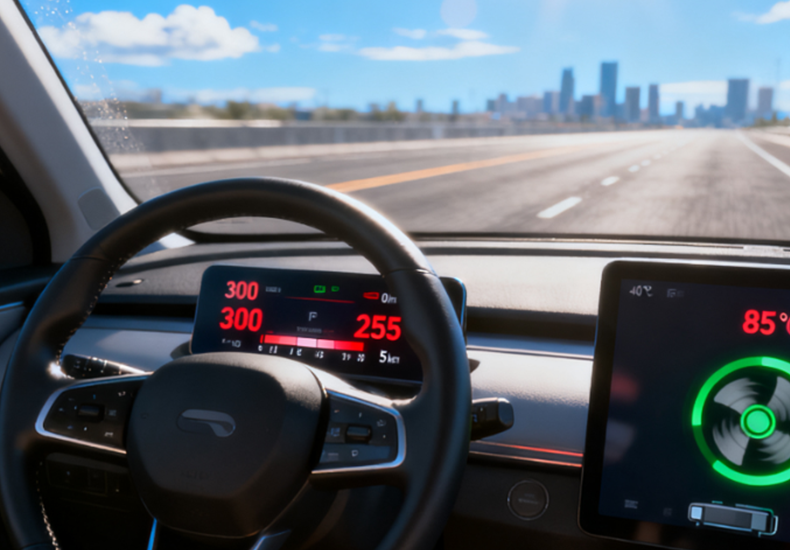
Battery-electric drivetrains rely on electric cooling fan for cars (and pumps) to manage motors, inverters, and the pack. In very hot or very cold weather, the extra airflow and pumping raise auxiliary load, shaving range—especially in city driving where ram air is scarce. At steady highway cruise, natural airflow often handles most of the cooling, but long climbs, spirited driving, or DC fast charging can push the fans back to higher duty. Smart calibrations that tie fan speed to cell temperature and power levels, plus preconditioning while plugged in, keep the penalty contained without risking thermal limits.
Aerodynamics and the cooling fan for car: drag you can avoid
Open grilles and a spinning engine cooling fan disturb the nose airflow and increase blockage ahead of the heat exchangers, nudging aerodynamic drag upward and chipping away at range. Active grille shutters and intelligent fan control reduce unneeded cooling flow at speed, lowering the effective drag coefficient on long cruises. Good sealing around the cooling module, smooth duct transitions, and clear exhaust paths let ram air do more of the work so the fan stays off, cutting both electrical load and aero losses while maintaining temperature control.
Optimize Engine Cooling Fan for Range
Cooling fan hardware & design
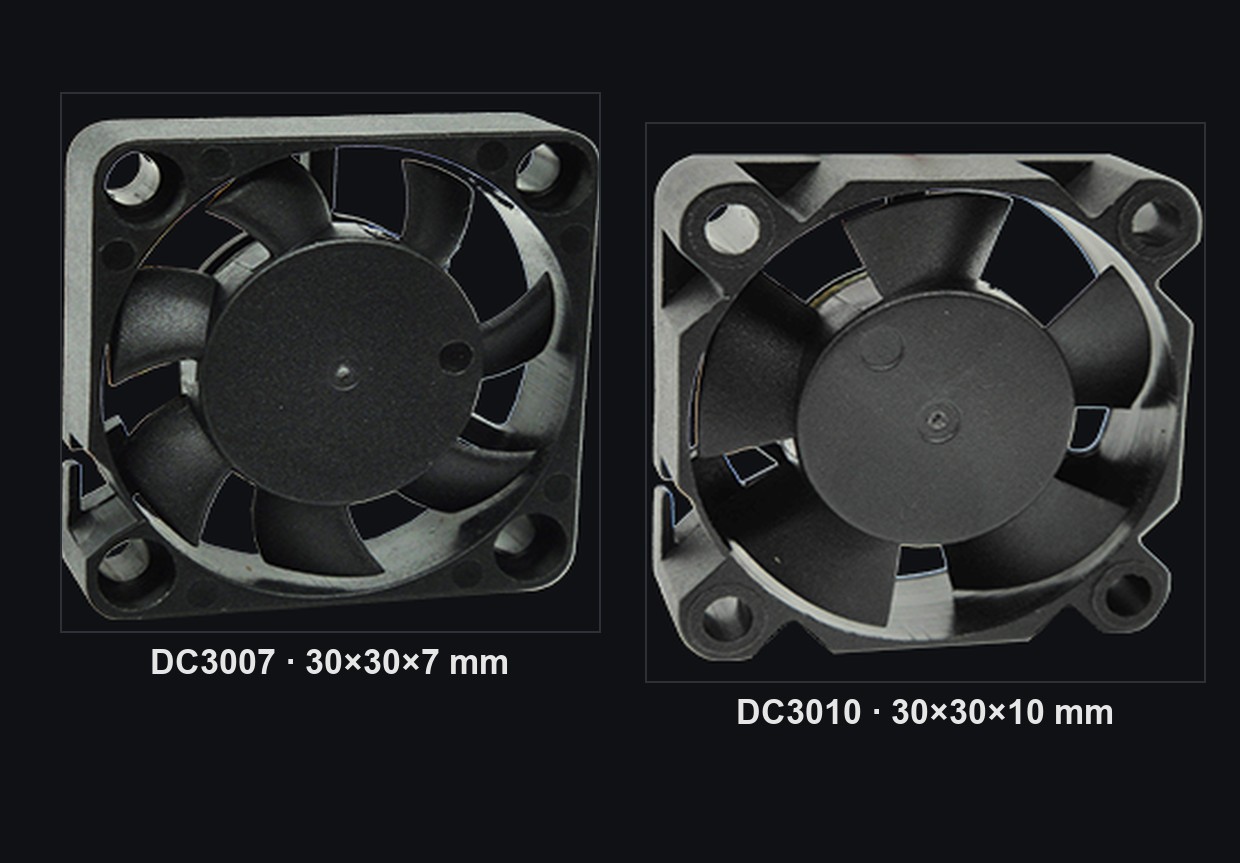
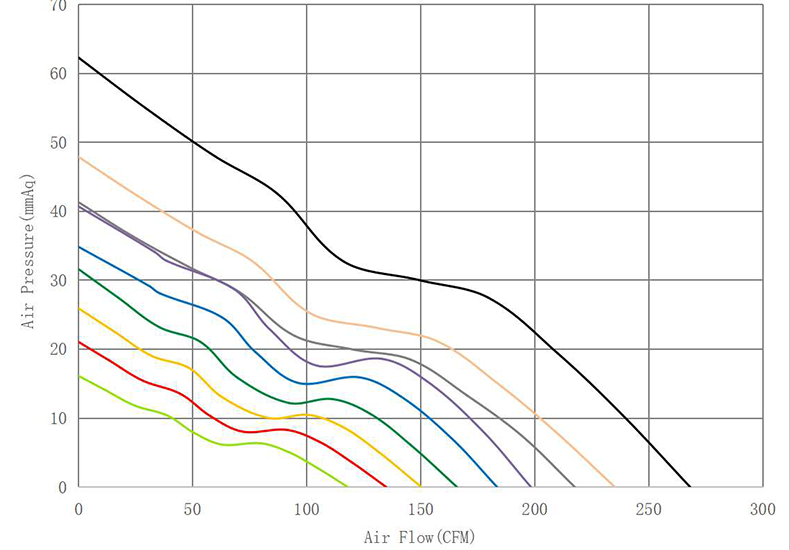
Start by sizing the engine cooling fan to the actual heat load and your system curve—oversizing wastes power, while undersizing forces high RPM and noise. Use efficient blade profiles, tight tip clearance, and a smooth bellmouth or inlet ring to move more air at lower speed. Variable-speed BLDC/EC fans are ideal for covering peaks without overspinning at cruise; just make sure the fan curve intersects the radiator/condenser/intercooler module where you actually operate so you’re not burning energy against excess static pressure.
Then lift the whole module’s efficiency. Keep heat-exchanger faces clean, choose low-restriction cores, and stack components in a sensible order so the condenser doesn’t starve the radiator. For control, map fan speed to coolant and oil temperature and to condenser delta-P rather than simple on/off thresholds, and use active grille shutters so ram air carries the load on the highway. Finally, validate the airflow path—seal gaps that allow hot-air recirculation, guide intake and exit flow with baffles and under-tray ducting, and confirm performance with quick checks like ΔP across the module or temperature surveys under load.
Engine cooling fan maintenance & use
Make life easy for the cooling stack so the engine cooling fan can work less. Keep the airflow path clear: remove leaves and bugs from the grille and condenser, straighten bent fins, and replace clogged engine or cabin filters that choke flow. Inspect the drive system regularly—a healthy viscous clutch should freewheel when cool and lock only when hot—while electric setups need solid connectors, relays, grounds, and smooth, quiet bearings. Where diagnostics are available, compare commanded versus actual fan speed and scan for fan-related fault codes. Maintain the coolant circuit, too: use the correct mixture, fit a good pressure cap, verify thermostat operation, and bleed the system after service so sensors report true temperatures.
Then adjust operation with thermal load in mind. In extreme heat, use A/C recirculation to ease the condenser’s burden, avoid long idling, and precondition EVs while plugged in. Plan heavy towing or long climbs to limit sustained peak demand on the engine cooling fan. Seasonal grille covers can help with winter warm-up, but remove them before hot weather or high loads to prevent overworking the fan and trimming range.
Conclusion
Keep the system healthy—clean fins, correct coolant, functioning clutches and controllers—and drive with thermal load in mind. Do those things and your engine cooling fan will protect components while preserving more MPG and range in everyday use.