






Key Considerations for Medical
Cooling fans in medical devices must be quiet, precise, and safe—supporting critical care without failure.


Quiet for Patient Comfort
Fans must be quiet for use near patients. Low noise helps reduce stress and supports sleep. Great for beds, monitors, and scanners.

Airflow Stability for Accuracy
Some tools need steady airflow for accurate results. A stable fan keeps sensors and optics working right. Key for analyzers and ventilators.

Sized for Medical Devices
Many medical devices are small or mobile. Fans must fit tight spaces and still move enough air. Used in handheld or cart-based tools.

Built to Medical Standards
Medical gear must meet safety codes. Fans should follow rules like IEC 60601 to avoid risks. Needed in all clinical systems.

Designed for Continuous Use
Hospitals run gear all day with little break. Fans must last long without service. Ideal for ICU and emergency care.
YCCFAN in Action: Medical Cooling Success
At a private hospital in Osaka, Japan, recurring thermal and noise issues affected several bedside patient monitors in the ICU. These monitors operated 24/7 near post-surgery patients, where quiet operation and system stability were critical. However, the original enclosure cooling fans produced excessive noise and failed to maintain consistent airflow. As heat built up, the touchscreen response slowed, and occasional glitches appeared in vital sign readings—posing serious risks in the intensive care setting. The added noise also disturbed patients, slowing their recovery.
To resolve the issue, YCCFAN recommended the YDL4010X05, amini cooling fan (40×40×10mm) engineered for compact medical electronics. The upgrade delivered three key improvements:
1.Consistent airflow in tight spaces: Despite its size, the fan delivered 4.22 CFM airflow, ensuring sufficient ventilation inside compact ICU monitor enclosures.
2.Smart, noiseless operation: Designed as a noiseless cooling fan, the unit supports PWM control and FG signal output for adaptive thermal management and real-time monitoring—while operating at whisper-quiet noise levels.
3.Reliable medical-grade performance: Its fluid dynamic bearing offers stable, low-vibration operation suitable for continuous medical use, with minimal maintenance.
After installation, internal monitor temperatures dropped by an average of 8°C, eliminating touchscreen delays and data glitches. Over 90 days, no fan-related failures were reported. Noise levels fell by 7 dB, helping create a calmer recovery environment. With YCCFAN’s medical-grade cooling solution, the hospital improved both equipment reliability and patient comfort in its critical care units.
What Cooling Solution is Suitable for Medical Equipment?
Medical systems require silent and reliable cooling. YCCFAN provides low noise cooling fan solutions for healthcare equipment.

Patient Monitor Thermal Stability Solution
Patient monitors must maintain stable operation with low noise to avoid disturbing patients and ensure accurate vital sign readings. Excess heat may affect display clarity and CPU stability. YCCFAN low noise micro cooling fan reduces internal heat while maintaining ultra-quiet operation, ensuring accurate monitoring and a calm medical environment.

Ventilator Cooling System Stability Solution
Ventilators operate continuously in critical care environments where heat buildup from motors and sensors can affect reliability and airflow accuracy. YCCFAN high reliability cooling fan ensures stable airflow and continuous thermal control for uninterrupted life-support operation.

Medical Imaging System Cooling Solution
Medical imaging systems generate heat during high-resolution scanning, which may cause processing delay or image distortion if not properly managed. YCCFAN precision airflow cooling fan removes heat from processors and control units, ensuring stable imaging performance.

Infusion Pump Thermal Control Solution
Infusion pumps require precise operation where circuit and motor heat can impact dosing accuracy and long-term stability. YCCFAN compact micro cooling fan prevents heat buildup in confined spaces, ensuring safe and consistent medication delivery.
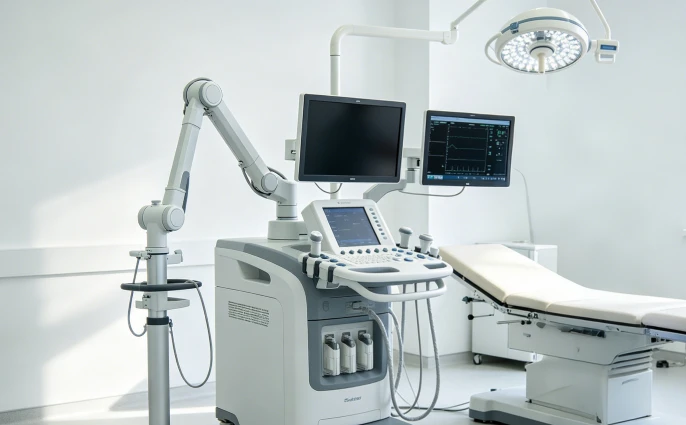
Medical Diagnostic Equipment Cooling Solution
Medical diagnostic devices operate with sensitive sensors and processors that require stable temperature control to ensure measurement accuracy. YCCFAN ultra quiet cooling fan maintains low-noise airflow while protecting sensitive components from thermal drift.
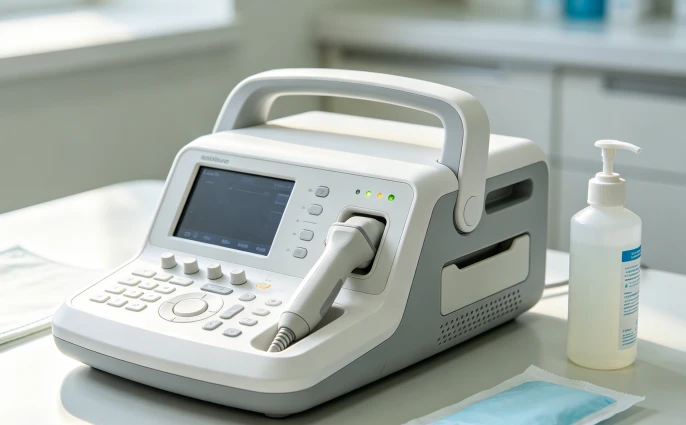
Portable Medical Device Cooling Solution
Portable medical devices have compact internal structures where heat accumulation can quickly impact performance and battery life. YCCFAN miniature high efficiency cooling fan ensures effective heat dissipation in limited space, improving device reliability and lifespan.
Recommended Micro Cooling Fan Products for Applications
Keep your systems running cool and stable with fans that are compact, quiet, and smart. Designed to meet the cooling needs of many industries, they help protect key parts and improve performance in any setting.

EC Fan(EC8038)
SIZE: 80x80x38mm
DIELECTRIC STRENGTH:
5mA max,at 500 VAC 60Hz one minute(between frame and terminal)
DIELECTRIC STRENGTH:
5mA max,at 500 VAC 60Hz one minute(between frame and terminal)
Explore Now


DC 4020F
SIZE:40x40x20mm
OPERATING TEMPERATURE:
Ball bearing -10℃ to +70℃
DIELECTRIC STRENGTH:
5mA max, at 500 VAC 60Hz one minute(between frame and terminal)
Explore Now


EC 1238
SIZE:120x120x38mm
OPERATING TEMPERATURE:
Ball bearing -10℃ to +70℃
DIELECTRIC STRENGTH:
5mA max, at 500 VAC 60Hz one minute(between frame and terminal)
Explore Now


DC 1225F
SIZE:120x120x25mm
OPERATING TEMPERATURE:
Ball bearing -10℃ to +70℃;Sleeve bearing -10℃ to +60℃
DIELECTRIC STRENGTH:
5mA max, at 500 VAC 60Hz one minute(between frame and terminal)
Explore Now

Other Mini Fan Applications

Power Supplies
Cooling fans prevent overheating, ensuring stable performance and longer life for power supplies.

Automobile
Used for wireless charger, PM2.5 sensor, entertainment system, perfume spray, LED lights, battery modules,chair.

Home Appliances
Helps reduce heat buildup, ensuring safety and extending the lifespan of appliances.
Medical Electronics Cooling FAQs


Q1: What type of fan is suitable for medical electronics?
 A suitable fan for medical electronics should provide stable airflow, low noise, compact structure, and reliable heat dissipation for long-term operation. DC axial fans, mini DC fans, micro cooling fans, and DC blower fans are commonly used in patient monitoring systems, ventilators, diagnostic equipment, infusion pumps, imaging devices, and portable medical instruments.
Q2: How do I choose a small fan for compact medical equipment?
A small fan for compact medical equipment should be selected based on installation space, heat source location, airflow direction, noise limit, voltage, and expected operating time. For portable medical equipment, handheld diagnostic tools, and space-limited electronic modules, mini DC fans or micro cooling fans are often used to provide targeted thermal management without increasing device size.
Q3: What is the best mini fan for portable medical instruments?
The best mini fan for portable medical instruments is one that balances small size, sufficient airflow, low power consumption, low vibration, and quiet operation. In mobile care devices, portable monitors, and compact diagnostic equipment, the fan should support efficient heat dissipation while maintaining user comfort and stable device performance.
Q4: How much airflow is needed for medical electronics cooling?
The airflow needed for medical electronics cooling depends on the heat generated by internal components, enclosure size, airflow path, ambient temperature, and ventilation resistance. For devices with dense circuit boards, filters, heat sinks, or narrow internal spaces, engineers should consider both CFM airflow and static pressure instead of choosing by airflow volume alone.
Q5: How do I choose between high airflow and high static pressure for medical equipment?
High airflow fans are suitable for open ventilation inside medical equipment, while high static pressure fans are better for restricted airflow paths, filters, ducts, heat sinks, and compact internal structures. In medical equipment thermal management, the right choice depends on whether the fan needs to move more air through open space or push air through resistance.
Q6: How many dB is considered quiet for medical electronics applications?
A quiet fan for medical electronics should have a noise level suitable for the actual use environment, especially in patient rooms, bedside monitoring equipment, diagnostic rooms, and portable care devices. The acceptable dB level depends on the equipment type, fan speed, installation position, airflow demand, and whether the device operates near patients or healthcare staff.