



How to Choose an Industrial Cooling Fan?
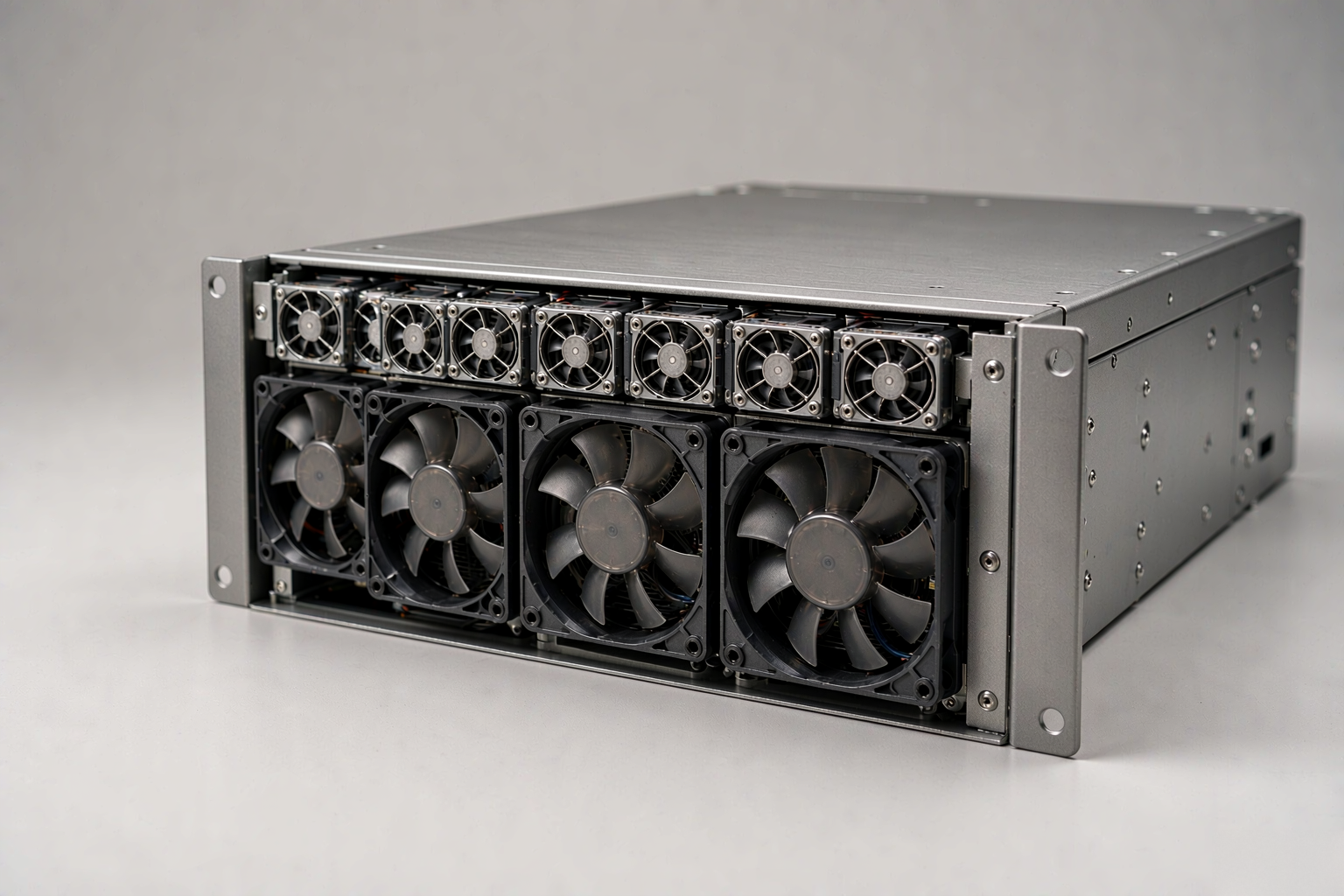
This guide walks you through the entire process of selecting an industrial cooling fan, from defining your core needs and understanding fan types, to balancing performance metrics and ensuring safety compliance.
Why You Need Cooling: Defining Your Core Requirements
Selecting the right industrial cooling fan begins by asking three foundational questions that will guide your entire specification.
1. What Exactly Needs Cooling, and How Much?
Start by identifying the specific heat source. Are you cooling a control panel, a motor, a processing unit, or an entire space? This determines the airflow strategy. Next, quantify the heat load. A simple estimate is that heat output (in Watts) roughly equals 90% of the equipment's power draw. Also, define your target operating temperature—the difference between this and the ambient temperature dictates the capacity your industrial cooling fan must deliver.
2. What Environment Will the Fan Face?
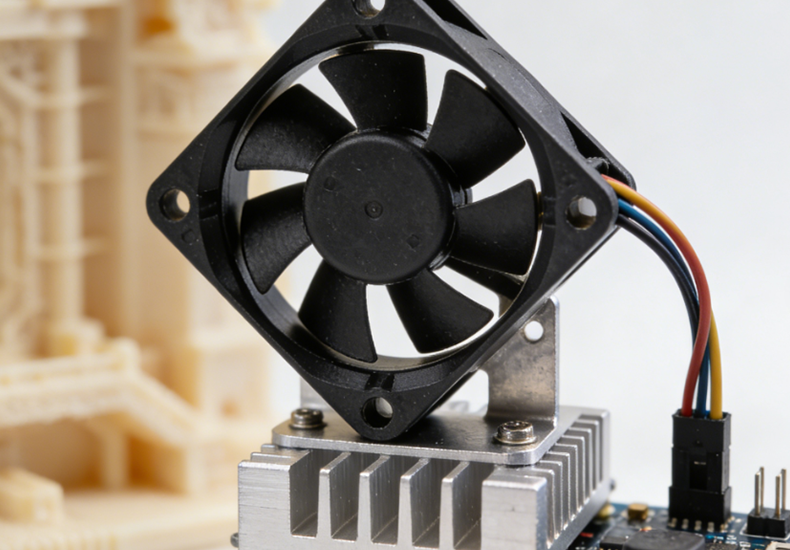
The operating environment dictates durability. Consider the temperature extremes the fan must withstand, and identify any airborne contaminants like dust, moisture, or chemicals. These factors determine the required IP protection rating and material (e.g., coated or stainless steel). Finally, account for physical installation constraints, ensuring there is adequate space for both mounting and effective airflow.
3. How Will It Operate and Be Controlled?
Define the duty cycle: is continuous (24/7) or intermittent operation required? This impacts the needed fan lifespan and bearing type. Then, consider control intelligence. A basic on/off fan may suffice, but for efficiency and precise temperature management, choose a fan with variable speed control (like PWM or 0-10V input) that is compatible with your existing system.
How to Choose the Right Type of Industrial Cooling Fan
Here is a simple table summarizing the three main types of industrial cooling fans.
Fan Type | How It Works | Best For | Typical Uses | Key Advantages |
Axial Fan | Air flows parallel to the shaft, similar to a household fan. | Applications requiring high airflow with low system pressure or resistance. | Cabinet ventilation, room cooling, general equipment cooling. | High efficiency, cost-effective, available in a wide range of sizes. |
Centrifugal Fan (Radial Fan) | Air is drawn in and expelled radially, changing the airflow direction by 90 degrees. | Situations needing medium airflow with high pressure, such as systems with ducts, filters, or dense heat sinks. | Ducted ventilation, heat exchanger cooling, cooling for restricted or packed assemblies. | High static pressure, better noise characteristics, suitable for tight spaces. |
Crossflow Fan (Tangential Fan) | Air moves across a long, cylindrical blade assembly, creating a wide, uniform airflow. | Applications needing a broad and even airflow profile in a long, narrow installation space. | Elevator control cabinets, elongated heat sinks, display equipment. | Provides exceptionally even airflow, offers flexible mounting options. |
Balancing Performance and Cost in Small Cooling Fan Selection
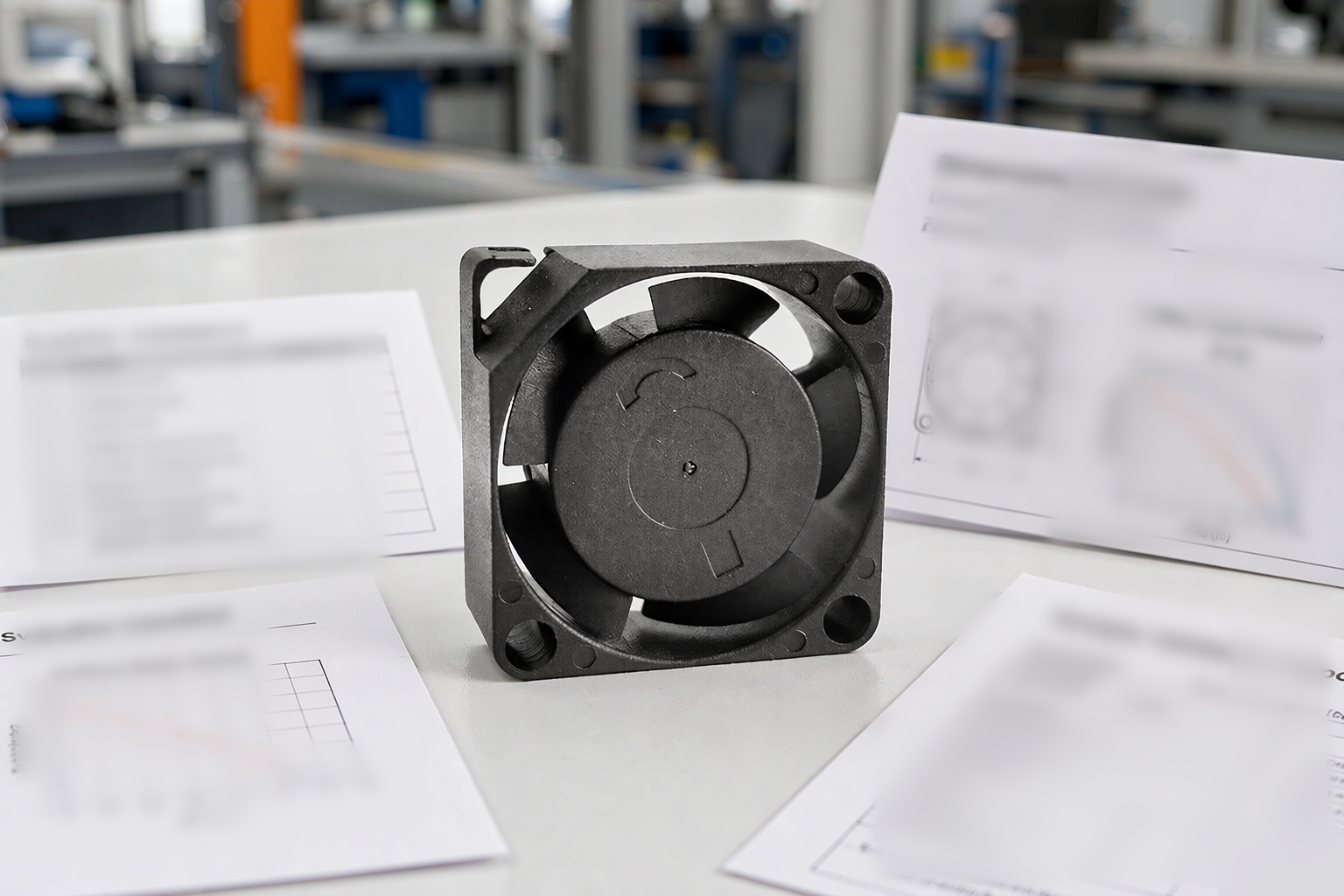
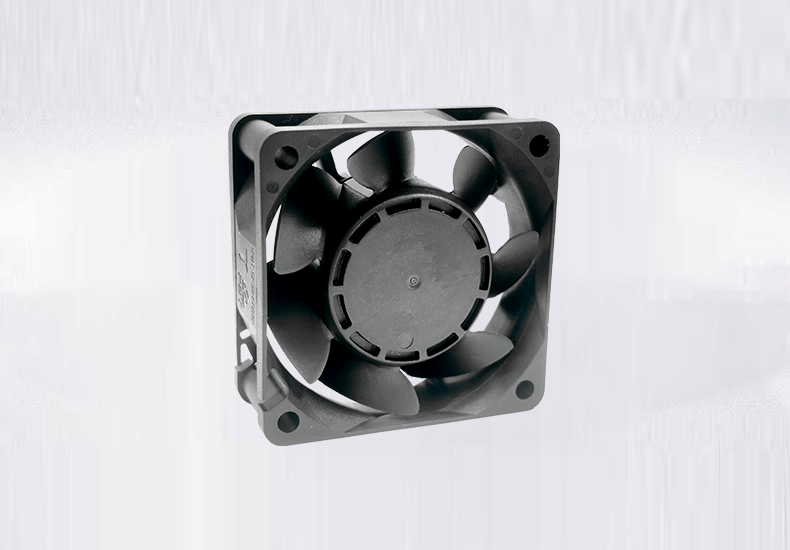
Choosing the right small cooling fan demands a solid grasp of core performance metrics. These specs dictate not just immediate cooling power but also long-term running costs. Striking the right balance is key to a choice that works well technically and makes financial sense. At YCCFAN, we help you navigate this process to match performance with your specific budget and operational needs.
1. Airflow: The Primary Driver of Heat Removal
When selecting an industrial cooling fan, airflow—measured in CFM or m³/h—is your starting point. It quantifies the volume of air moved and directly sets the heat removal capacity. Getting the size right is critical; an undersized unit leads to overheating. A practical way to estimate need is: Required Airflow ≈ (Total Heat Load × Safety Margin) / (1.08 × Desired Temperature Drop in °F). We recommend a 20-30% design margin for reliable operation under real-world conditions. For example, YCCFAN’s YF Series small cooling axial fans deliver flows up to 1250 CFM in a single unit. Use our interactive tools or consult our engineers to find the model that meets your exact thermal target from the outset.
2. Static Pressure: Power to Push Through Resistance
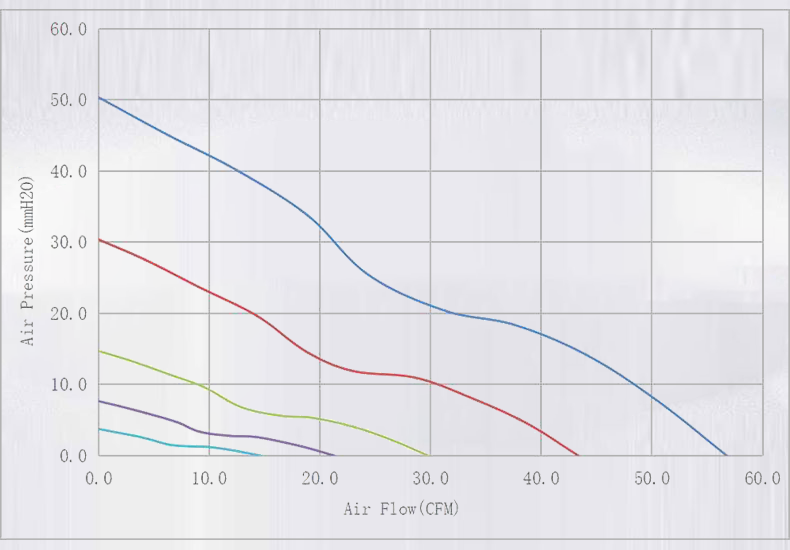
The static pressure of a small cooling fan, measured in Pascals (Pa), indicates its strength to overcome system obstacles like filters, heat sinks, and ducting. Without adequate pressure, rated airflow won't be achieved in a restricted setup. The goal is to match the fan's performance curve to your application's specific resistance profile.YCCFAN's YC Series Centrifugal Blowers excel here, generating static pressure up to 850 Pa to sustain strong airflow in tight, demanding environments. Our team can help analyze your system's impedance for a perfect fit.
3. Efficiency: Balancing Upfront and Ongoing Costs
Efficiency (CFM/W) is a pivotal factor in the total cost of owning a cooling fan. Higher-efficiency models, though sometimes costing more upfront, significantly cut ongoing energy use. Take YCCFAN’s EC-powered series: these fans can consume up to 40% less energy than standard AC types while providing equivalent cooling. For 24/7 operations, these savings often cover the initial price difference within 12-18 months, making high efficiency a smart long-term investment.
4. Noise: Maintaining a Comfortable Acoustic Environment
The noise level (dBA) matters greatly for industrial cooling fans near workspaces. A 10 dBA increase roughly doubles the perceived loudness. Through refined blade design and durable hydraulic bearings, YCCFAN’s quiet-optimized series operates below 45 dBA at full load. When integrated with PWM control, speed and noise automatically reduce during cooler periods, ensuring effective cooling without disrupting the environment.
In summary, selecting the optimal noiseless cooling fan means integrating these technical parameters with a holistic view of Total Cost of Ownership—considering purchase price, energy consumption, maintenance, and reliability. YCCFAN delivers precisely engineered solutions and expert support to optimize both performance and lifetime costs for your application. Connect with our specialists for a tailored analysis of your cooling challenge.
Safety and Compliance for Noiseless Cooling Fan Selection
In demanding industrial settings, safety and regulatory adherence form the non-negotiable foundation of any equipment decision. Selecting a compliant noiseless cooling fan is not just about meeting codes—it's a critical investment in personnel safety, operational continuity, and long-term asset protection. Focusing on the following certifications ensures your cooling solution is built for real-world challenges.
1. Ingress Protection (IP) Rating: Your First Defense
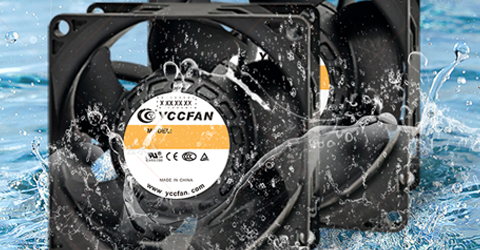
The IP rating is a fundamental specification for any cooling fan, detailing its resistance to dust and moisture. This two-digit code directly determines where a fan can be reliably installed. For instance, a rating of IP54 offers protection against dust ingress and water splashes, making it suitable for most general indoor industrial settings. For harsher environments—outdoor installations, areas with high humidity, or industries like food & beverage and pharmaceuticals where washdowns are routine—a rating of IP65 or IP66 is essential. This ensures the fan is fully dust-tight and can withstand powerful water jets, preventing premature failure from environmental contamination.
2. Electrical Safety Certifications: The Mandatory Benchmark
Beyond physical protection, electrical safety is paramount. Globally recognized certifications like UL (North America) and CE (Europe) are not merely administrative checkboxes. They represent that the cooling fan has undergone rigorous independent testing for electrical safety, fire hazard prevention, and mechanical risk. Specifying fans with the correct certifications for your market is a legal imperative that significantly mitigates the risk of electrical faults, fire, or shock, safeguarding both personnel and your broader facility infrastructure.
3. Specialized Certifications for Extreme Duty
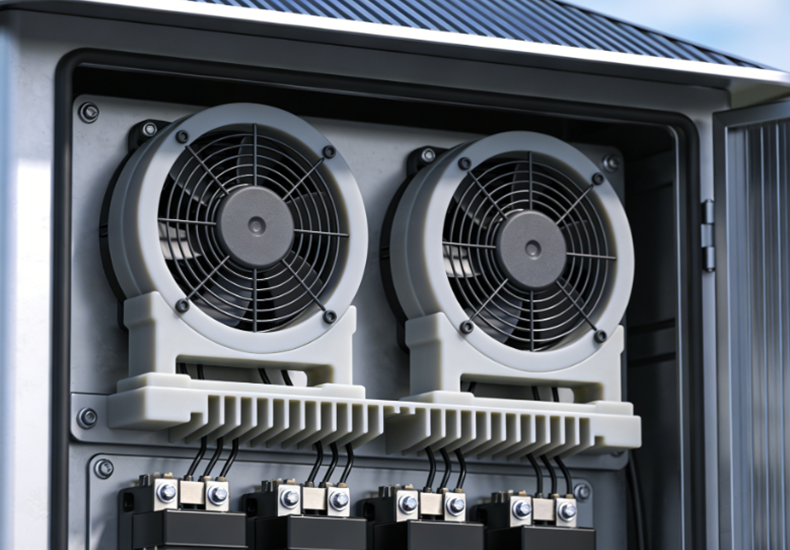
Certain operating environments demand certifications beyond standard safety marks. In locations where flammable gases, vapors, or dust may be present—such as chemical plants, oil refineries, or grain processing—fans must carry ATEX or IECEx explosion-proof certification. These units are specially engineered to prevent ignition. Similarly, in hygiene-critical sectors like food, pharmaceutical, and medical device manufacturing, fans should be constructed from food-grade stainless steel (e.g., 304 or 316) and feature smooth, easy-to-clean designs to prevent bacterial growth and meet stringent sanitary protocols.
Industrial Cooling Fans: Installation and Layout Optimization
Choosing the right industrial cooling fan is the first step, but its true performance is unlocked through correct installation and smart layout. Proper setup prevents efficiency loss, excessive noise, and premature wear, ensuring your system operates as intended.
1. Optimize Airflow Management
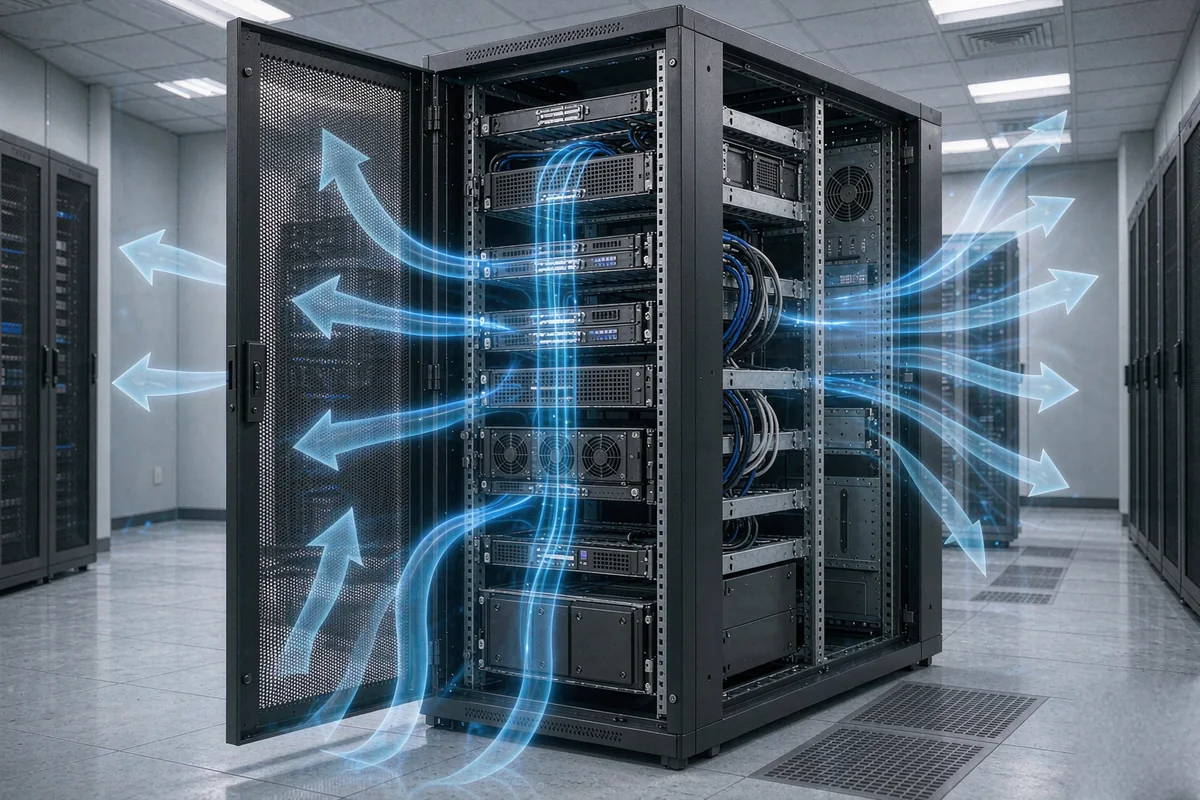
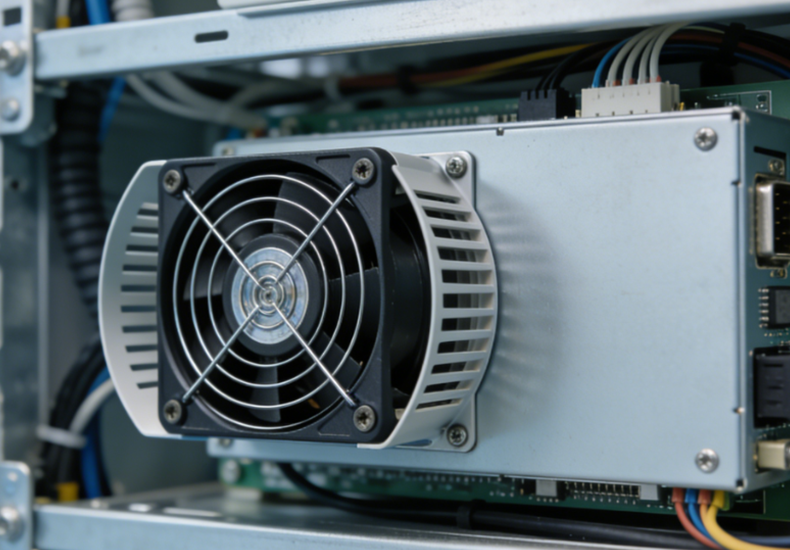
Effective cooling depends on smooth, directional airflow. The key is to separate hot and cool air streams, avoiding "short-circuiting" where hot exhaust is pulled back into the intake. A natural and efficient layout follows a bottom-to-top path: draw cool air from the lower section of your cabinet or machine, and expel heated air from the top. Also, ensure clear space around the industrial cooling fan—at least one fan diameter in front of the intake and half a diameter behind the exhaust—to allow air to move freely without turbulence or restriction.
2. Apply Pro Installation Practices
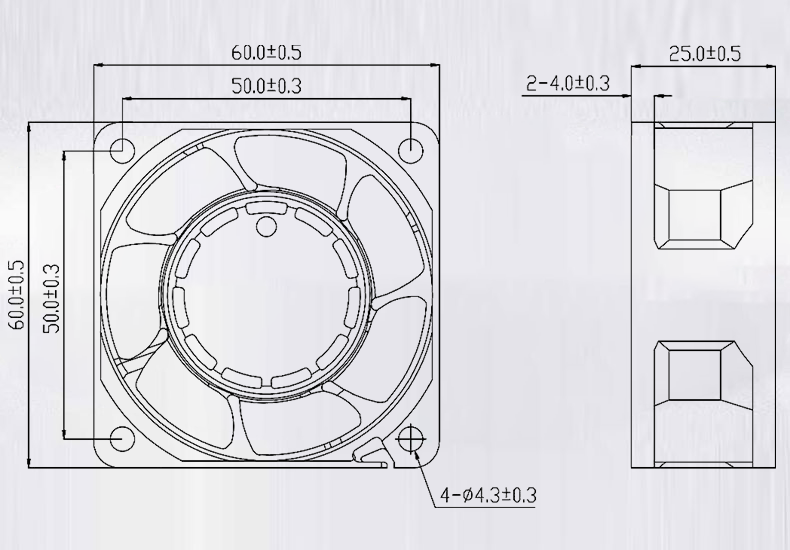
How you mount the industrial cooling fan impacts longevity and noise. Start with vibration isolation using rubber gaskets or mounts to prevent motor vibration from transferring to the enclosure. Next, ensure an airtight seal between the fan and the mounting surface to prevent air leakage and preserve airflow. In dusty settings, always use a removable filter on the intake side. Keep in mind that filters add resistance, so select a fan model with sufficient static pressure headroom to maintain performance.
3. Plan for Ongoing Maintenance
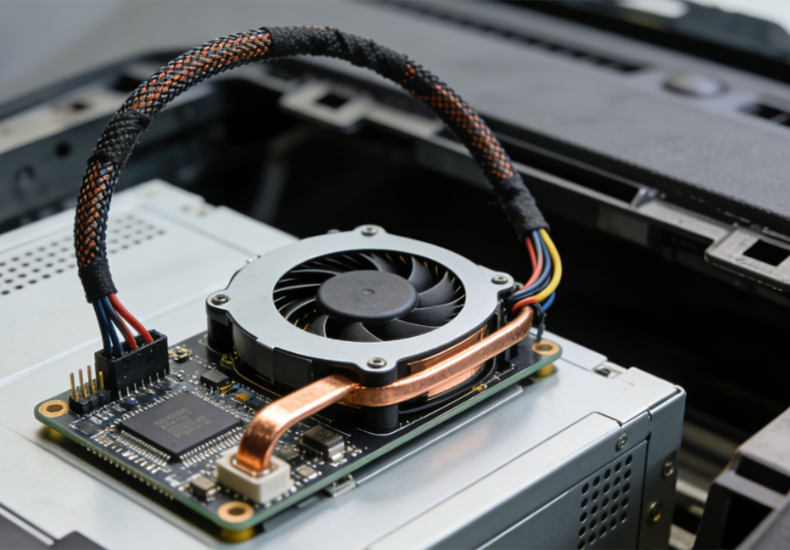
To keep your industrial cooling fan running reliably, adopt a simple maintenance routine. Listen and feel for unusual noise or vibration—common signs of early bearing wear. Schedule regular cleaning of blades and filters every 1–6 months, depending on environmental dust levels, to restore airflow. Finally, track operating hours and refer to the fan’s MTBF (mean time between failures) rating to plan proactive replacements before performance drops or failures occur, avoiding unplanned downtime.
Read more:
https://www.yccfan.com/articledetail/is-an-industrial-cooling-fan-worth-it.html
https://www.yccfan.com/articledetail/how-to-choose-the-right-computer-cooling-fan.html
Conclusion
For personalized guidance in matching the ideal fan to your unique challenge, reach out to our expert team for a detailed consultation.