



Is an Industrial Cooling Fan Worth It?
This article breaks down the practical benefits of an industrial cooling fan, the scenarios where it makes the biggest difference, and the trade-offs to consider—so you can decide when upgrading is a smart investment rather than an unnecessary cost.
Key Benefits of Industrial Cooling Fans
1.Better cooling where it actually matters: airflow + pressure
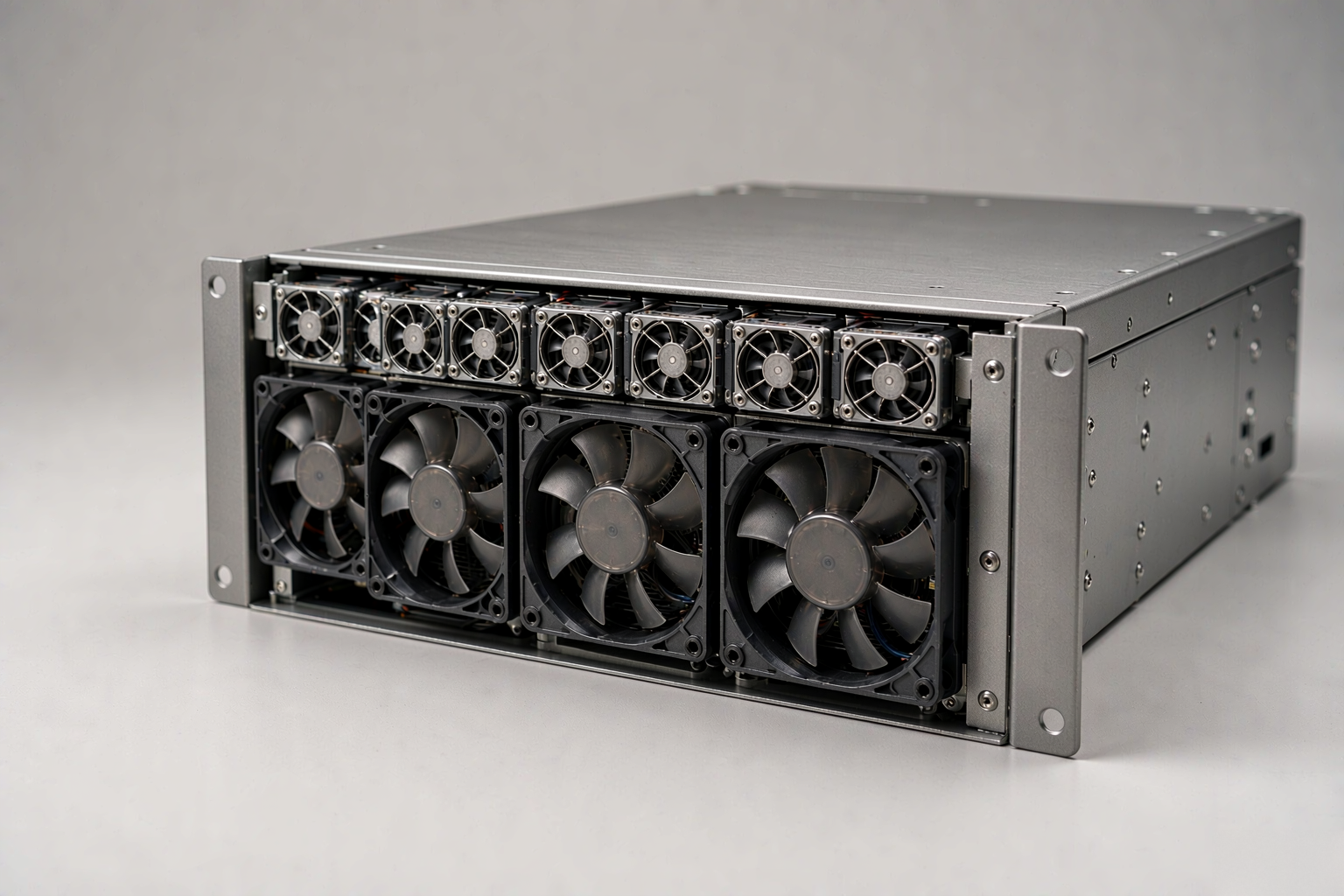
Most overheating issues aren’t caused by a fan that “can’t move air” in free air. The real problem is that airflow gets bottlenecked once the fan sits behind real-world obstacles—filters, tight grilles, dense fin stacks, narrow ducts, or cramped enclosures. That’s why an industrial cooling fan is usually evaluated by two specs together, not one:
Airflow (CFM): how much air it can move when the path is relatively open
Static pressure (mmH₂O): how well it keeps airflow moving when the system pushes back
If your setup has noticeable restriction, static pressure often becomes the deciding factor. A fan can look strong on CFM, but if its pressure capability is limited, airflow can drop quickly once it meets a filter, radiator, or dense heatsink—and temperatures rise soon after.
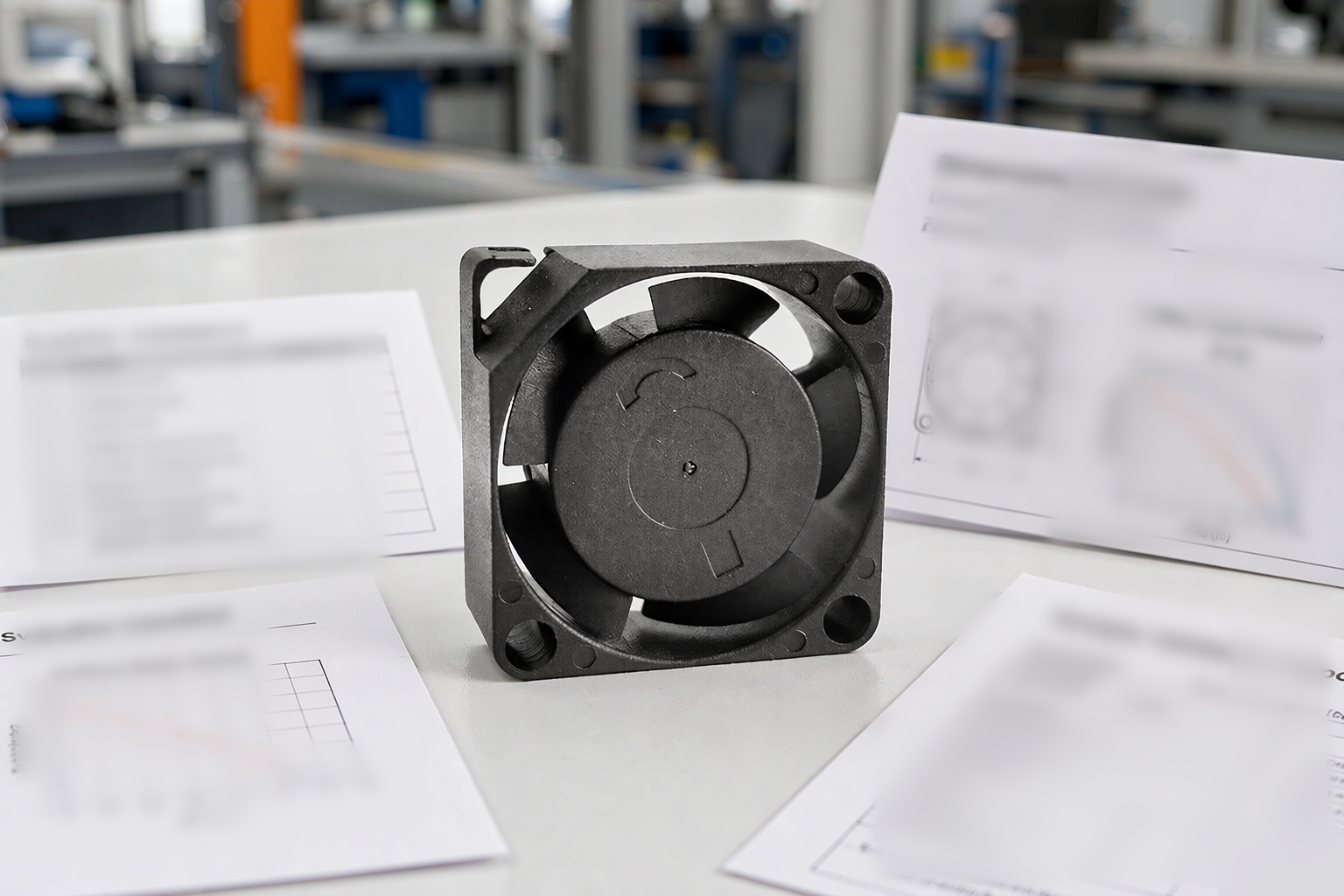
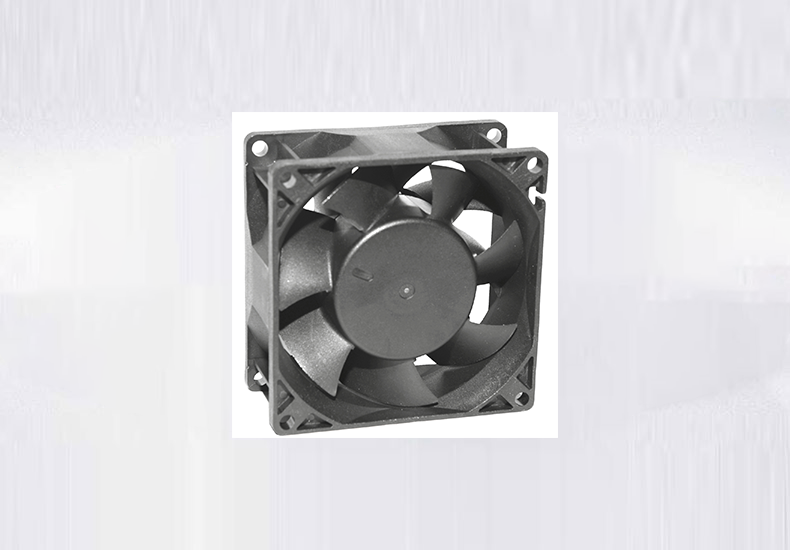
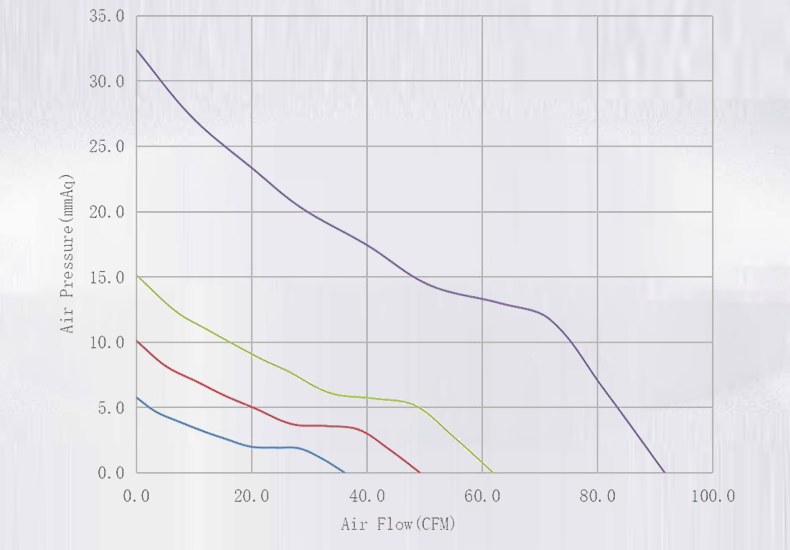
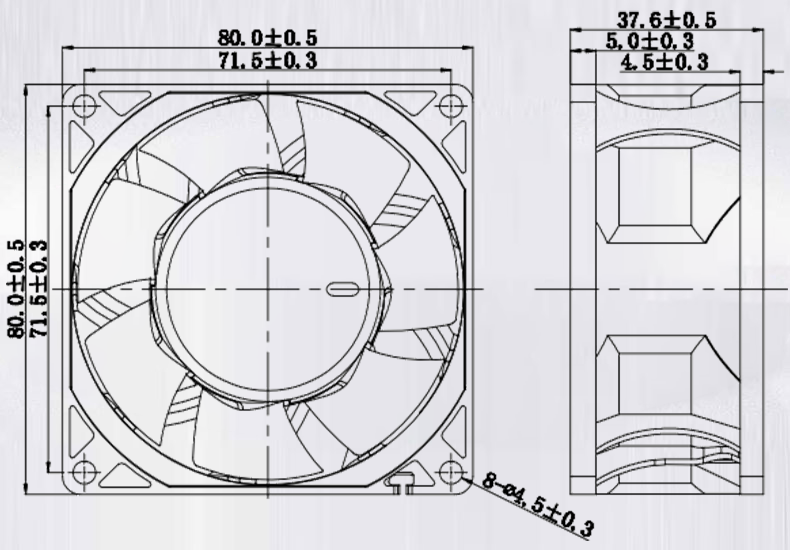
As a reference point, YCCFAN’s DC8038 (80×80×38 mm) targets scenarios that need both airflow and pressure, with specs listed up to 62.62 CFM and 32.38 mmH₂O. In filtered control cabinets, compact electronics boxes, or high-density heatsinks, that extra pressure headroom helps airflow stay effective after installation—so cooling remains steady as the load climbs.
2.Reliability for long-duty cycles
An industrial cooling fan is often worth it because you’re not only buying lower temperatures—you’re buying stability over time. When equipment runs for long hours (or 24/7), even a small temperature reduction can translate into a meaningful difference in uptime and component aging.
What that reliability usually looks like in practice:
Fewer thermal warnings and heat-related faults
Less performance drop during sustained workloads
Fewer unexpected resets or shutdowns
Less long-term stress on components (power stages, capacitors, bearings, plastics)
Longer maintenance intervals and fewer replacements in the field
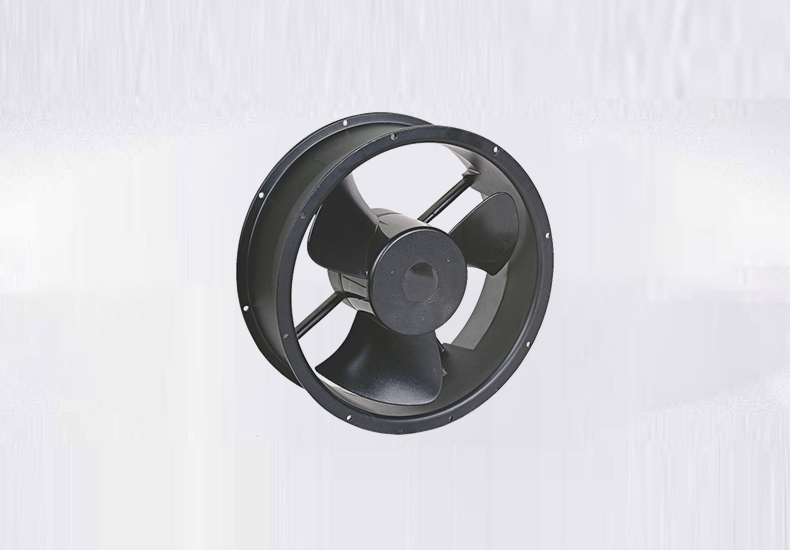
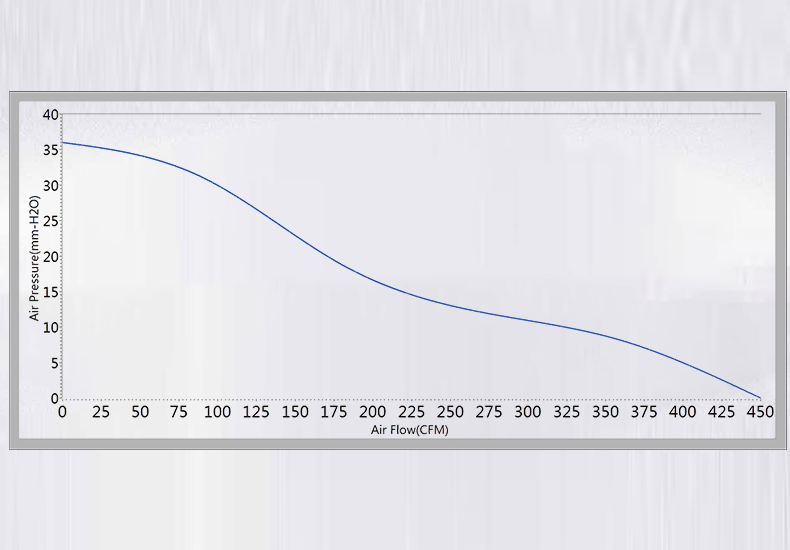
On the higher-power side, YCCFAN’s AC2260 (220×220×60 mm) is positioned for industrial-grade cooling with wide voltage compatibility, with example specs listed up to 400 CFM, 25.4 mmH₂O, and 100–380 VAC. Fans in this class are typically used when heat loads are larger, airflow paths are more demanding, or downtime is simply too costly.
3.Efficiency and noise control (when properly matched)
It’s easy to assume “industrial” automatically means louder—but noise often comes from a poor match, not the fan category. When the airflow path is restrictive and the fan can’t hold pressure, the usual workaround is higher RPM. That tends to cause:
more turbulence noise (air fighting through obstacles)
more motor/bearing noise (higher RPM)
more wasted energy (higher speed for smaller cooling gains)
When the silent cooling fan is matched to system resistance, you can often reach the same thermal target at a lower operating speed. That improves efficiency and typically sounds better in daily use. Control features help here too—speed control lets an industrial cooling fan work “as needed,” instead of running full speed all the time.
4.Engineering support + customization (reduces integration risk)
One of the most underrated advantages of choosing an industrial cooling fan isn’t just performance—it’s how well it can be integrated into the product. In industrial projects, the expensive issues often appear later: the fan fits on paper but interferes with the housing, the connector doesn’t match the harness, the expected control signal isn’t available, vibration/noise shows up after assembly, or the environment ends up harsher than planned.
Where customization and engineering support add real value:
Form factor fit: axial vs blower, thickness limits, mounting pattern
Electrical match: 5V/12V/24V or AC ranges, connector type, cable length
Control/monitoring: PWM, FG/tach feedback, RD/alarm output
System matching: selecting for pressure vs airflow based on filters/ducts/fins
Environmental needs: dust, humidity, wash-down, corrosion exposure
YCCFAN emphasizes OEM/ODM-style support from prototyping through production. Even if you don’t need a fully custom model, configurable options can reduce selection mistakes, shorten iteration cycles, and help keep performance consistent across production batches.
When a Silent Cooling Fan Is Most Valuable
1.High heat + long runtime
An industrial cooling fan is most valuable when a system runs hot and runs for long hours. In power supplies, servers, telecom racks, and industrial control cabinets, heat isn’t a short burst—it’s part of normal operation.
When equipment stays online 24/7, even a small increase in cooling headroom can reduce thermal alarms, keep performance steadier, and ease long-term stress on parts. That’s also why YCCFAN commonly positions its small cooling fan solutions for power supplies, telecom/communication equipment, medical devices, and automotive modules—applications where uptime and stability are baseline requirements.
2.High resistance airflow
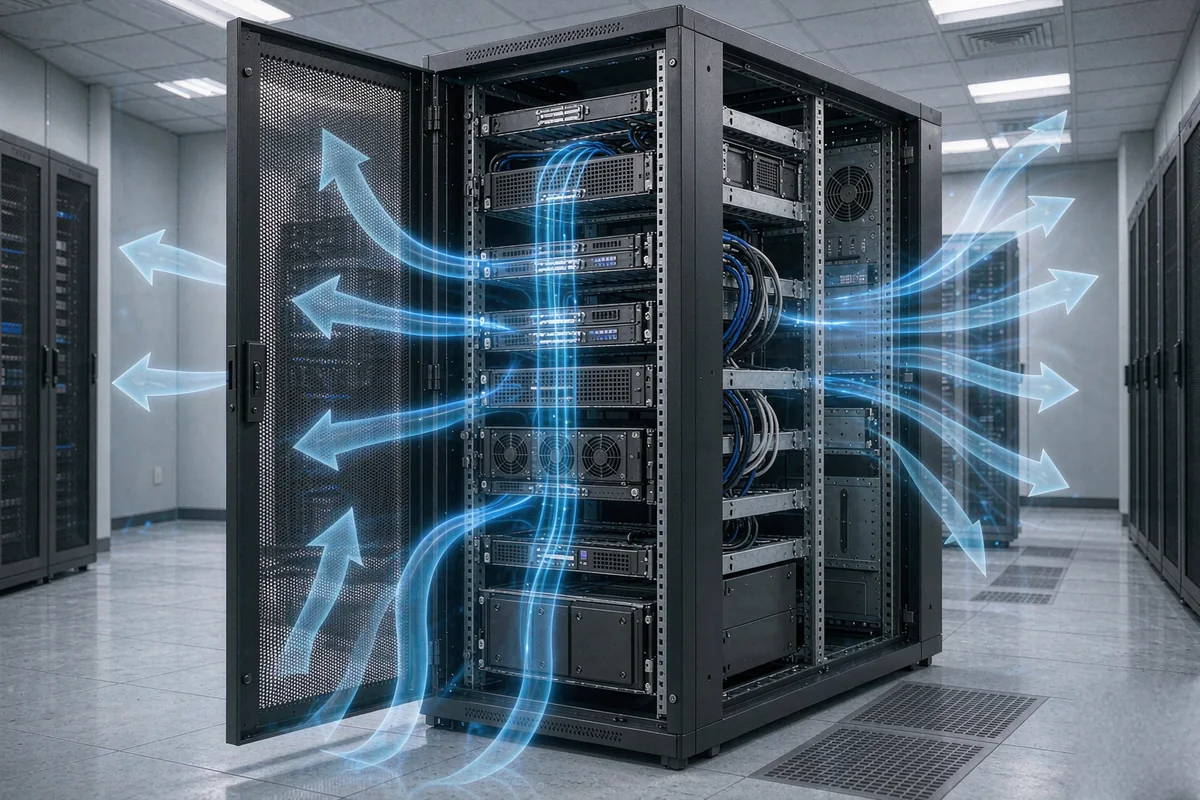
Industrial cooling fans earn their keep when air has to move through restrictions, not just circulate in open space. Radiators, dust filters, tight mesh panels, ducted paths, and dense heatsinks add resistance that can make consumer fans look fine on paper but disappoint after installation.
In these placements, pressure capability becomes the key. If static pressure is too low, airflow drops quickly once the fan meets real resistance—and temperatures climb soon after. A simple cue: if you can feel noticeable resistance blowing through a filter/mesh/radiator, a pressure-oriented industrial cooling fan is usually the safer match.
3.Outdoor & harsh conditions
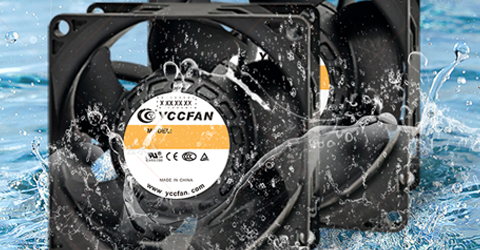
In harsher environments, silent fans often fail because of conditions, not because they weren’t spinning fast enough. Humidity, condensation, heavy dust, wash-down cleaning, and corrosive air can shorten fan life and create failures that look “random” later.
For outdoor or semi-outdoor deployments—equipment cabinets, edge devices, or coastal/industrial installations—environmental protection becomes a core selection factor. YCCFAN also highlights that outdoor use typically calls for appropriate IP protection and corrosion-resistant design choices, because airflow type alone won’t solve problems caused by moisture or salt exposure.
4.Production consistency
For product teams, whether an industrial fan is “worth it” often comes down to predictability: stable supply, consistent specs, and performance you can validate again and again. That’s where industrial-grade programs tend to stand out versus generic replacements.
Testing and documentation become part of the value—especially when scaling from prototype to mass production. YCCFAN notes in-house testing for airflow, pressure, and noise, and references quality systems such as ISO9001/ISO14001/IATF16949, which helps when you need repeatable performance, traceability, and fewer surprises across batches.
Considerations for Choosing a Small Cooling Fan
1.Higher upfront price vs. lower downtime cost
Factor | Standard fan (lower upfront cost) | Industrial cooling fan (higher upfront cost) |
Upfront price | Lower | Higher |
Failure impact | Often treated as a simple part swap | Designed to reduce failure risk in the first place |
Maintenance effort | More frequent checks/replacements in tough duty | Fewer site visits and less intervention over time |
Downtime risk | Higher chance of unplanned stops under harsh use | Lower risk when uptime is critical |
Warranty & returns | Higher likelihood of warranty cases if failures repeat | Fewer warranty returns when reliability is prioritized |
Hidden costs | Labor, logistics, rework, potential overheating damage | Typically lower total cost when failure cost is high |
Best fit | Light-duty, easy-to-access systems | Hard-to-service equipment or downtime-expensive systems |
2.Power, noise, and control effort
Higher-performance fans can get loud if they’re left running at full speed. The good news is most systems don’t need that—what they need is a simple control strategy. With PWM or voltage control and a sensible fan curve, an industrial cooling fan can stay quiet during normal operation and only speed up when temperatures genuinely rise. So the “cost” here isn’t only about watts or dB; it’s the small bit of setup work required to make the fan behave smoothly in real use.
3.Mechanical fit and system-level airflow
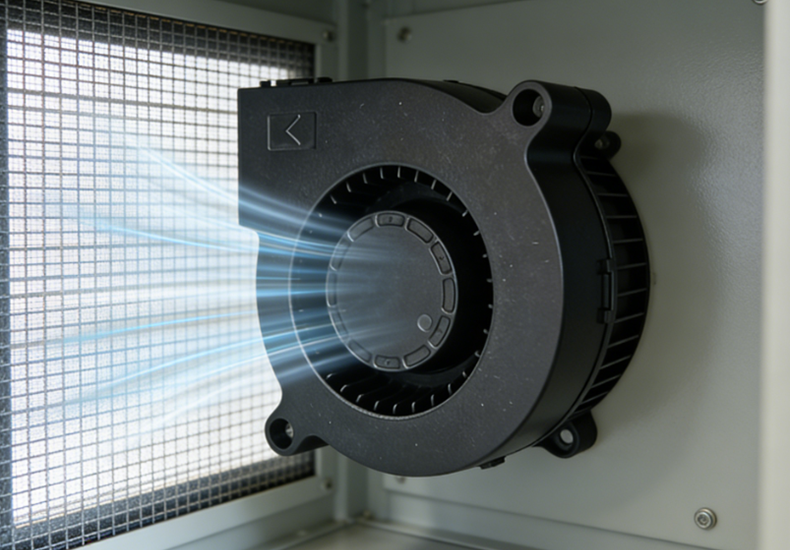
A small cooling fan that looks strong on a spec sheet can still disappoint if the surrounding layout works against it. Tight clearances, awkward mounting, cable blockage, airflow pointed the wrong way, or nearby obstructions can all reduce real airflow and increase turbulence noise. It helps to think in “system terms”: the grille, filter, ducting, and heatsink geometry are part of the airflow path the fan has to work with. If those elements are restrictive, a pressure-oriented industrial cooling fan—or a different form factor—often delivers more improvement than simply chasing higher headline numbers.
4.Environmental protection and materials
When water, dust, condensation, or corrosion are in the picture, protection becomes as important as performance. Without proper sealing and corrosion resistance, even a correctly sized fan can wear out early. In harsh environments, IP-rated or protected designs can reduce premature failures and lower replacement frequency. Materials matter too—YCCFAN highlights construction choices like UL94V-0 rated impellers, which is a useful detail when you’re selecting an industrial cooling fan for long-term operation in demanding conditions.
Read more:
https://www.yccfan.com/articledetail/how-to-choose-the-right-computer-cooling-fan.html
https://www.yccfan.com/articledetail/what-are-the-different-types-of-cooling-fans.html
Conclusion
An industrial cooling fan is most worth it when your system runs hot for long hours, pushes air through restrictions, or operates in dusty, wet, or corrosive conditions—especially when downtime and maintenance are expensive.