





What Is a 12V Cooling Fan? Features, Applications, and Benefits Explained
From laptops and server racks to cars, control cabinets, and camping gear, 12V cooling fans quietly keep a huge range of devices from overheating. They’re small, efficient, and easy to power from common 12V rails or batteries, which makes them a go-to choice in both electronics and everyday equipment. In this guide, we’ll look at what a 12V cooling fan is, the features that set it apart, where it’s most commonly used, and how to choose the right model for your own application.
What Is a 12V Cooling Fan?
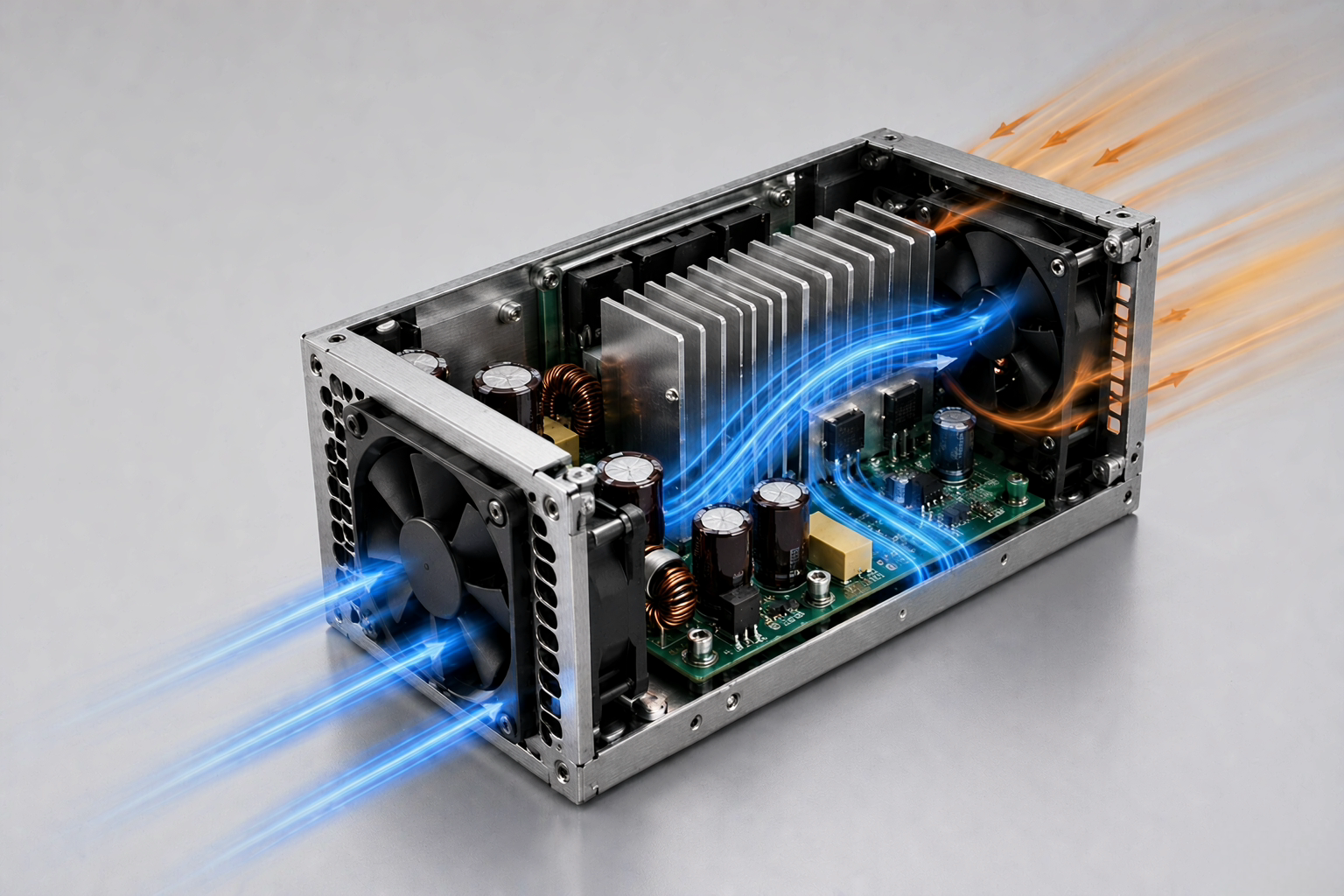
A 12V cooling fan is a DC (Direct Current) cooling fan that runs on a 12-volt power source and uses an electric motor to spin its blades, moving air across components to carry heat away. Put simply, it turns energy from a 12V supply into directed airflow, helping keep electronics, engines, and small spaces within a safe operating temperature. As current flows through the motor, the rotor spins, the blades draw in cooler air, and warmer air is pushed out, improving heat dissipation.
Twelve volts is a standard voltage in many low-voltage systems, which makes 12V fans widely used and easy to integrate. Automotive electrical systems, personal computers, RVs, solar setups, and industrial control panels commonly use 12V rails or batteries, so a 12V fan often connects directly without extra converters. Compared with mains-powered AC fans (such as 110V or 220V models), 12V DC fans are usually easier to control, better suited to mobile and battery-powered equipment, and tend to run more quietly and smoothly. As a result, AC fans are typically chosen for fixed, large-scale ventilation, while 12V cooling fans are preferred for electronics, vehicles, and compact devices where low voltage, efficiency, and precise control matter.
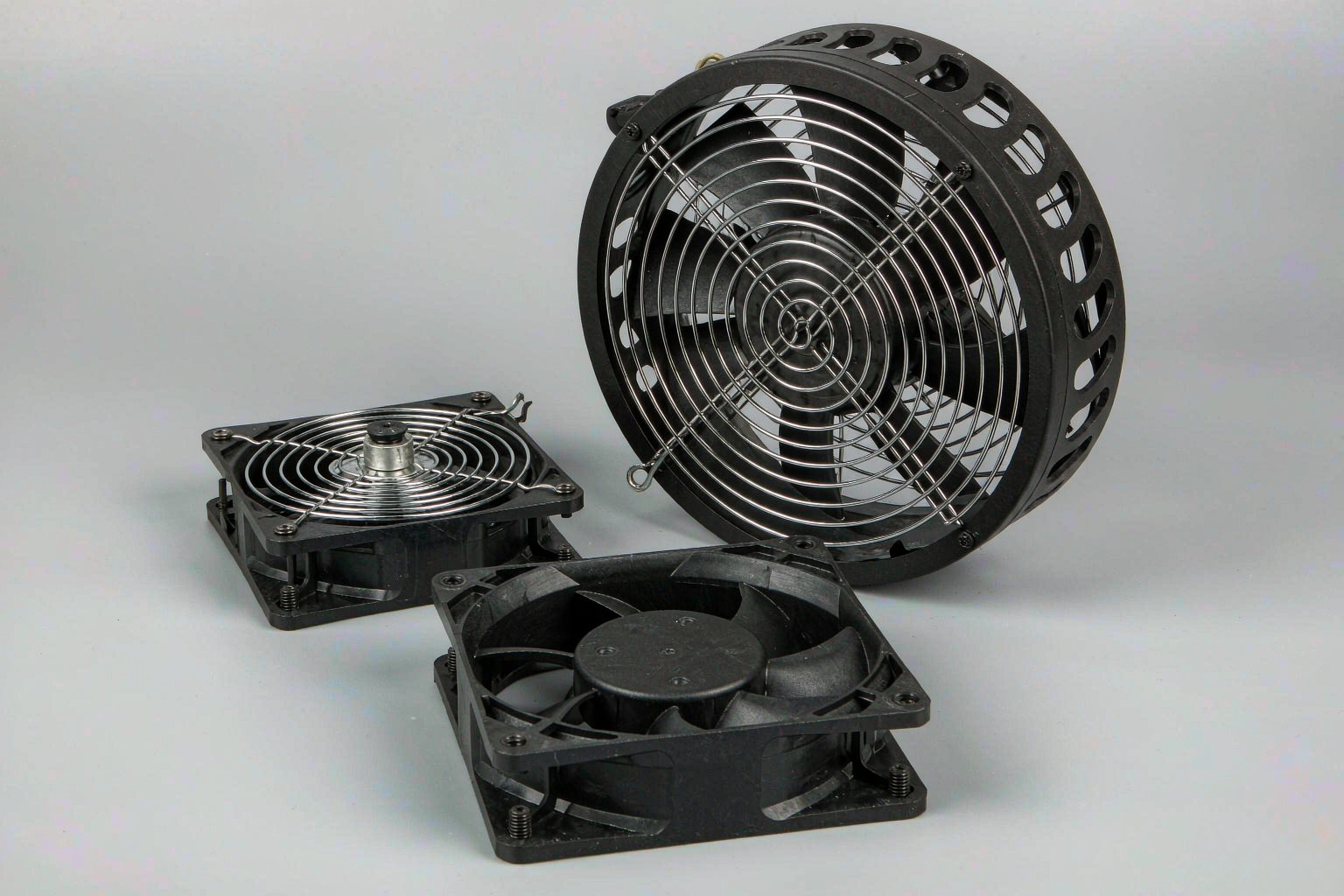
YCCFAN’s 12V DC cooling fans span multiple frame thicknesses and bearing options for 12 V rails, batteries and adapters.
Key Features of 12V DC Cooling Fans
1.Low-Voltage Operation
12V cooling fans run on a low DC voltage that’s already common in many electrical systems, so they’re both safe to use and easy to wire in. Because 12 volt cooling fan is standard in cars, consumer electronics, and many solar-powered setups, these fans naturally fit into battery-based and mobile devices where high-voltage AC power would be inconvenient or even unsafe.
2.Energy Efficiency
Compared with many AC fan solutions, 12V DC fans are designed to move a useful amount of air while drawing relatively little power. That means lower overall energy consumption, which can help reduce electricity costs and ease the load on power supplies—especially important for equipment that runs around the clock or relies on batteries, inverters, or compact adapters.
3.Compact & Lightweight Design
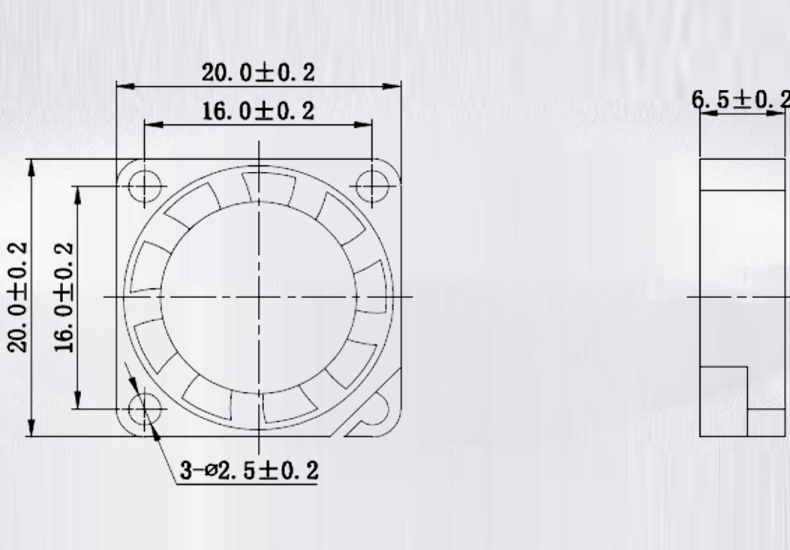
Most 12V cooling fans are small and lightweight, making them easy to slip into tight spaces inside enclosures, control boxes, and device housings. Their compact form factor is ideal for portable products, embedded electronics, and any design where space is limited but active cooling is still essential.
4.Quiet & Smooth Operation
The DC motors used in 12 volt cooling fans usually provide smooth, stable rotation, which helps keep noise and vibration down. This quieter operation is a big plus in homes, offices, vehicles, and workshops—anywhere a constantly humming or rattling fan would quickly become irritating for people nearby.
5.Speed Control (PWM & Voltage Control)
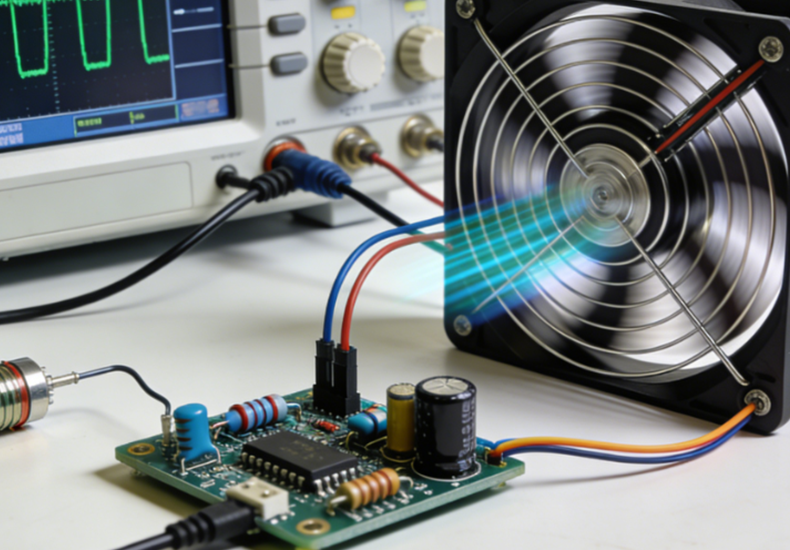
Many 12V cooling fans support adjustable speed, either through PWM (Pulse Width Modulation) or by varying the supply voltage. In simple terms, PWM rapidly switches the power on and off to control how fast the fan spins, so airflow can ramp up or slow down based on temperature or workload. This makes it easier to balance cooling performance, noise, and power use, delivering extra airflow only when the system actually needs it.
6.Durability & Environmental Resistance
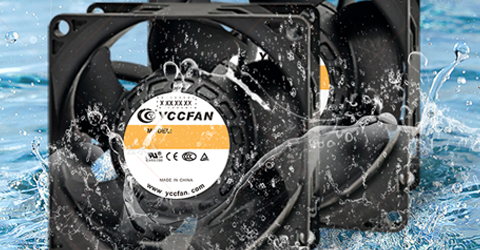
You can also find 12V fans built with added protection against dust, moisture, and other harsh conditions. Models with sealed bearings, sturdy housings, and wide operating temperature ranges can cope with demanding environments, making them well suited for industrial machines, engine bays, outdoor enclosures, and other applications where reliability is critical.
Common Applications of 12 Volt Cooling Fans
1.Computers & Servers
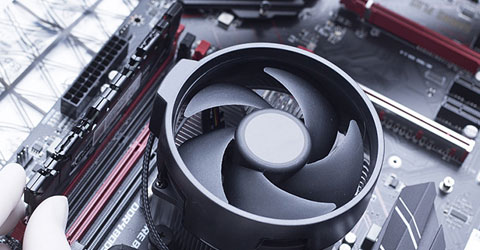
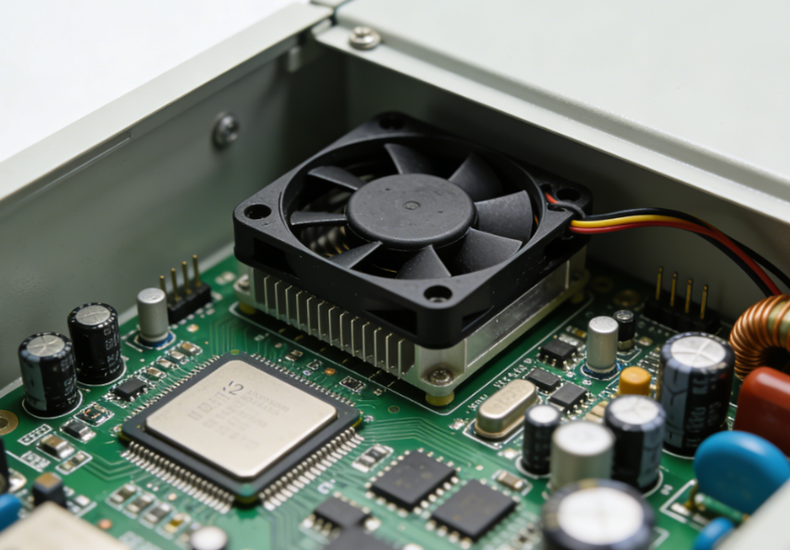
In PCs and server systems, 12V cooling fans are a key part of the thermal design. They pull heat away from CPUs, GPUs, memory, and power supplies so the hardware can stay stable and avoid throttling under heavy load. Case fans bring cool air into the chassis and push warm air out, while additional fans in switches, routers, and other network gear help keep airflow moving through dense racks and equipment rooms.
2.Automotive Systems
Inside a vehicle, 12V volt cooling fans are used in several different areas. They can assist with radiator and engine bay cooling to keep under-hood temperatures in check, and they’re also built into HVAC systems to move air through vents and ducts. Modern cars increasingly rely on compact 12V fans to cool control units, infotainment systems, and other electronic modules squeezed into tight spaces.

3.Industrial & Control Panels
In industrial settings, 12V cooling fans are often mounted in control cabinets and PLC panels to manage the heat produced by electronics. They help push warm air out of sealed or semi-sealed enclosures and provide localized cooling for drives, power supplies, contactors, and other components inside machinery and automation equipment, supporting stable, long-term operation.
4.Portable & Mobile Uses
Because they run on low-voltage DC and can be powered directly from batteries, 12V fans are very popular in mobile and off-grid applications. You’ll find them in RVs and campers for ventilation, in small off-grid cabins, and in portable coolers or compact fan units for tents and outdoor use. Many handheld or battery-powered cooling products are built around 12V motors so they can plug straight into existing DC systems or simple battery packs.
5.Creative & Art Installations
12V cooling fans also play a role in creative and artistic projects. Artists use them to drive moving parts in kinetic sculptures, to gently lift or ripple fabrics and paper, or to create airflow that responds to sensors or people walking by. Thanks to their small size, simple wiring, and easy speed control, they’re a flexible tool for building interactive, motion-based installations.
Key Benefits of Using 12V Cooling Fans
1.Preventing Overheating
The most obvious job of a 12V cooling fan is also the most important: stopping equipment from overheating. Once temperatures climb too high, electronics and machinery may slow down, behave unpredictably, or shut themselves off for protection. By constantly pushing warm air out and pulling cooler air in, a 12V fan helps keep the system within a safe temperature range. That means less risk of thermal throttling, crashes, random resets, or sudden shutdowns when devices are under heavy load or running for long periods.
2.Extending Equipment Lifespan
Heat doesn’t just affect performance in the short term—it also shortens the life of components over time. With steady airflow from a 12V fan, chips, power supplies, and moving parts are exposed to lower temperatures and fewer extreme spikes. This reduced thermal stress creates a gentler working environment, which can lead to fewer failures, fewer repair calls, and a longer overall service life for the system.
3.Energy Savings
12V cooling fans are designed to move air efficiently without wasting power, especially when used with smart speed control like PWM. In equipment that runs around the clock—servers, control panels, telecom gear, or off-grid systems—every bit of power saved makes a difference. Their relatively low energy draw helps cut total consumption and, over time, reduces operating costs, while still delivering the cooling performance the hardware needs.
4.Reliability in Real-World Conditions
In real-world use, equipment rarely sits in perfect conditions. It has to deal with changing temperatures, dust, vibration, and cramped spaces. Good 12V cooling fans are built to keep working reliably even when things aren’t ideal. That kind of consistency is especially valuable in places where downtime is costly or hard to fix—like network infrastructure, production lines, vehicle electronics, or remote sites that are difficult to reach.
5.Versatility Across Different Systems
One more big advantage of 12V cooling fans is how easily they fit into different types of systems. The same basic fan technology can be used in small gadgets, desktop PCs, control cabinets, vehicles, and industrial machines. Because 12V is such a common supply voltage, these fans are simple to add to new designs or retrofit into existing equipment. Designers and engineers can choose from many sizes, airflow levels, and control options to match the exact cooling needs of each application.
How to Choose the Right 12V Cooling Pad Fan
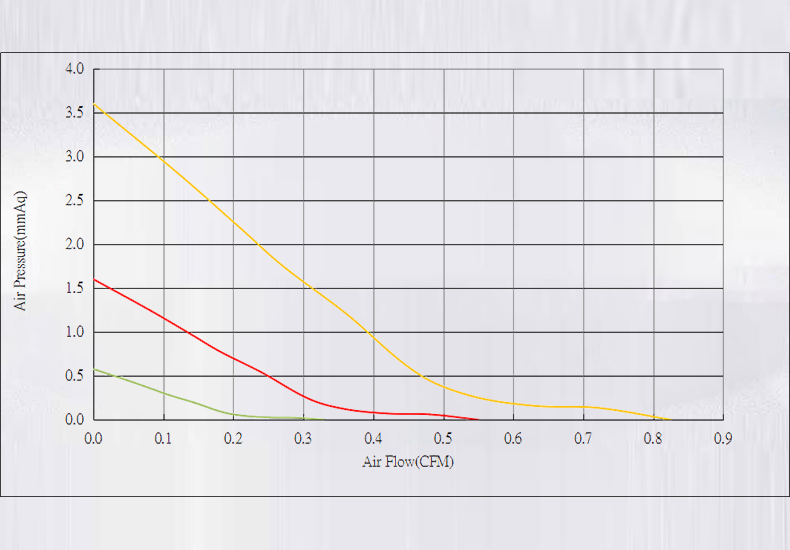
When you’re selecting a 12V cooling pad fan, start with the fundamentals. The size needs to match the space you actually have, and the airflow (CFM) plus static pressure indicate not just how much air the fan can move, but how effectively it can push that air through heatsinks, grills, or dust filters. Take a look at the noise rating (dB) to make sure the fan won’t be too loud for where it’s used—quiet operation is especially important in offices, bedrooms, and vehicles. It’s also worth checking the current draw, so your power supply or battery isn’t running at its limit. Finally, pay attention to the bearing type: sleeve bearings are inexpensive and can be fairly quiet but aren’t ideal for high temperatures or continuous operation, ball bearings handle heat and long runtimes better, and fluid dynamic (FDB) or similar bearings are designed to offer both low noise and long lifespan.

Next, make sure the connector type (2-pin, 3-pin, or 4-pin) matches your motherboard, controller, or power source, and decide whether you need PWM control for more precise speed adjustment. From there, think about how and where the fan will be used: go for higher airflow or higher static pressure if you’re dealing with dense heatsinks or cramped enclosures, lean toward ultra-quiet models for desktop PCs and home environments, and prioritize durability and bearing quality for industrial systems, vehicles, or any equipment that’s expected to run almost non-stop.
Read more:
https://www.yccfan.com/articledetail/can-i-drive-with-a-bad-radiator-fan.html
https://www.yccfan.com/articledetail/is-a-dc-or-ac-fan-quieter.html
Conclusion
12V cooling fans combine low-voltage safety, solid cooling performance, and flexible control in a compact package, which is why they appear everywhere from PCs and vehicles to industrial panels and creative installations. By understanding their key features, typical use cases, and the main specs to compare—such as size, airflow, static pressure, noise, bearings, and connectors—you can pick a fan that not only keeps your system cool, but also runs quietly, efficiently, and reliably over the long term.
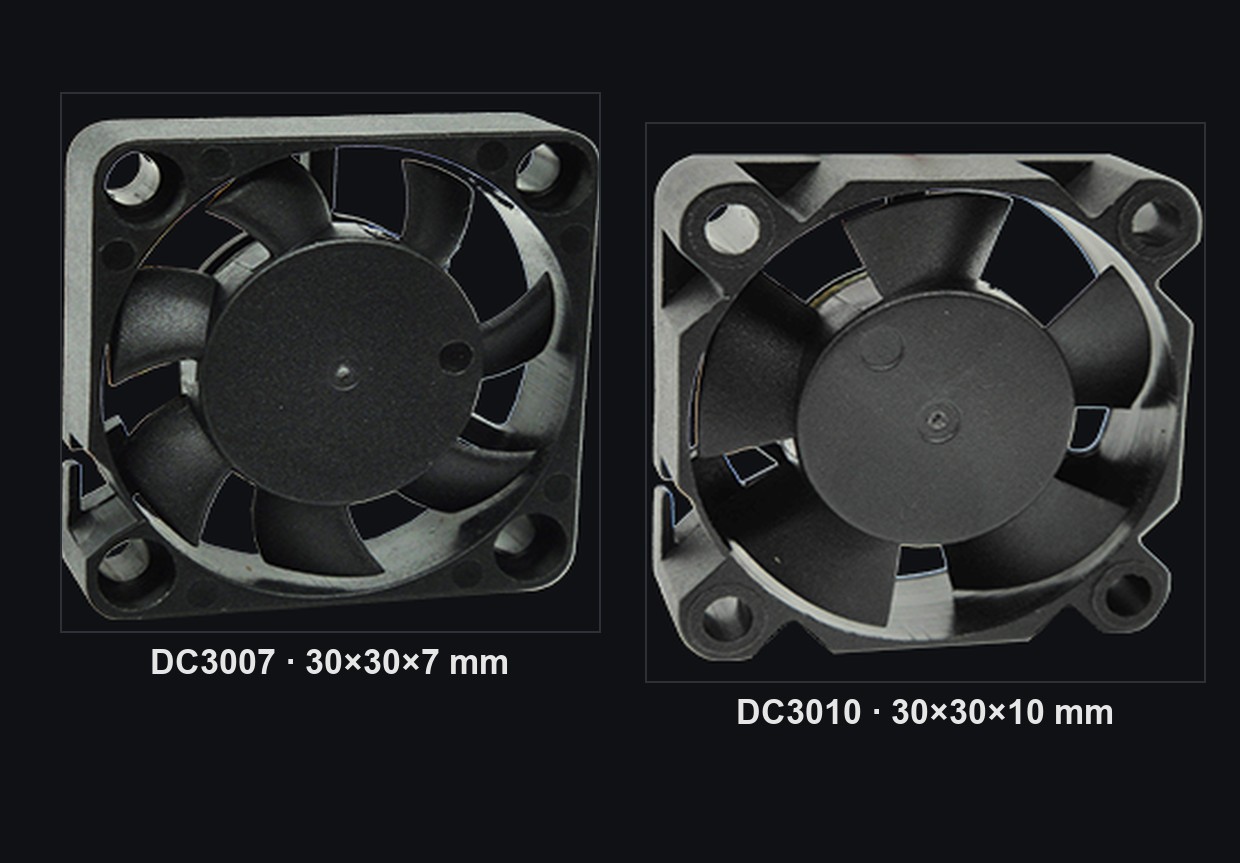
Compare 12V DC fan models by size, airflow and noise level for your application.