





Can I Drive With a Bad Radiator Fan?
In this guide, we’ll look at why a working radiator fan is so important, what can happen if you keep driving with a bad one, and what you can do to reduce the risk if you absolutely have to drive a short distance to reach a safe place or a mechanic.
Why a Working Radiator Fan Is So Important
Role of the Radiator Fan in the Cooling System
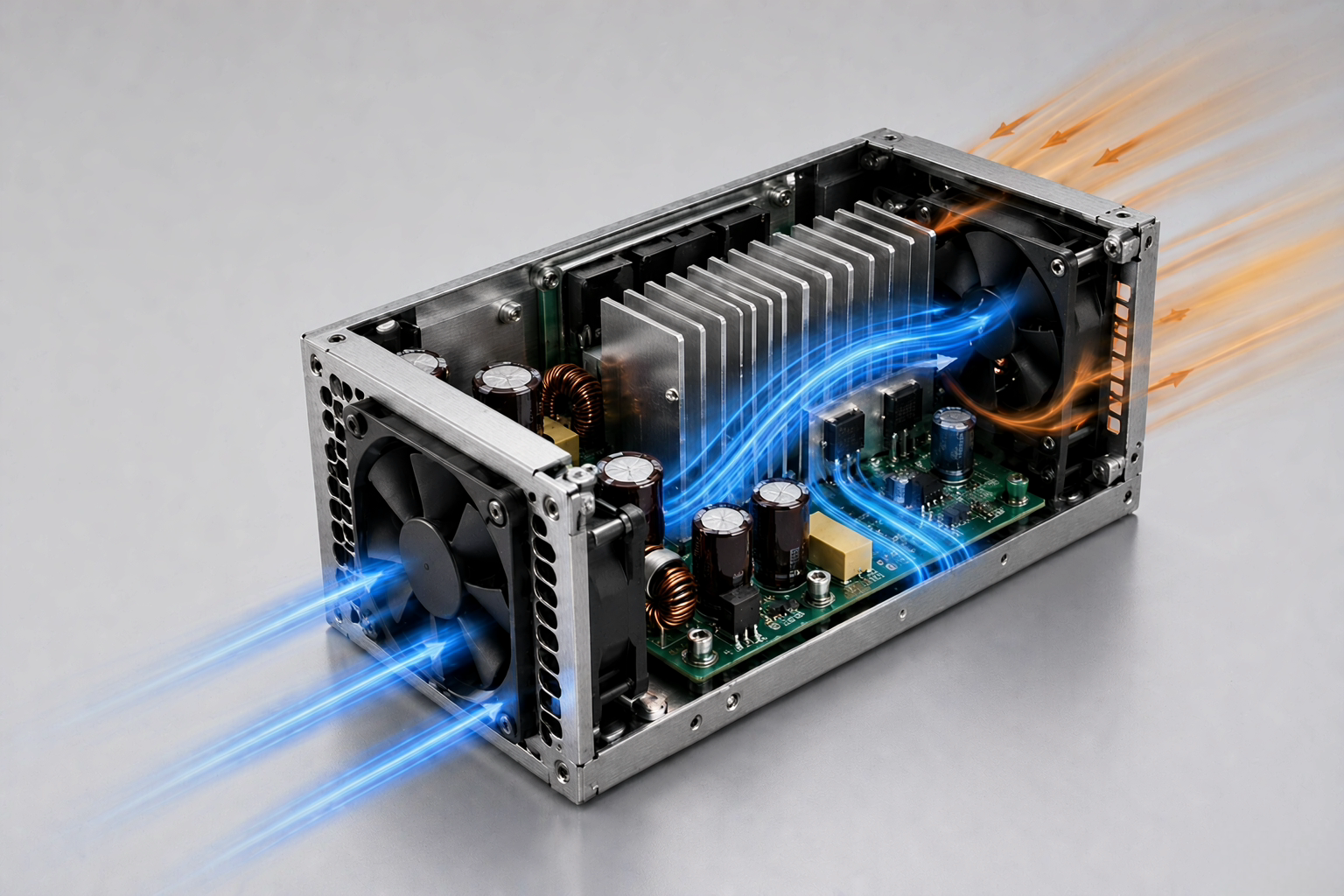
The radiator fan is a crucial part of the engine cooling system, helping the engine stay within a safe operating temperature. As coolant flows through the engine, it absorbs heat and then passes into the radiator. There, the radiator fan pulls or pushes air across the radiator fins so that this heat can be released into the outside air.
Without enough airflow from the radiator fan—especially when the vehicle isn’t moving—the radiator can’t cool the hot coolant effectively, and the engine temperature will begin to rise. In most modern vehicles, an electric radiator fan is managed by temperature sensors and the ECU. It switches on automatically when the coolant reaches a set temperature, providing steady cooling in a variety of driving conditions, from city traffic to light towing.
Why the Radiator Fan Is Especially Important at Low Speeds
At low speeds, the car’s forward motion creates very little natural airflow through the grille and radiator. In these conditions, the radiator fan becomes the primary source of airflow for the cooling system.
If the radiator fan isn’t working properly, heat can build up under the hood very quickly. Even a short drive through residential streets or creeping through a parking lot may be enough to make the temperature gauge move toward the hot zone.
Importance of the Radiator Fan During Idling and Traffic Jams
When the vehicle is idling—at a red light, in a drive-thru, or stuck in heavy traffic—there is almost no natural airflow through the radiator. The engine, however, is still running and generating heat. In these situations, the radiator fan is doing nearly all the work to move air through the radiator and keep temperatures under control.
If the radiator fan fails, idling and stop-and-go traffic become the most dangerous conditions. With no airflow, the engine can overheat in just a few minutes, turning everyday traffic or long waits with the engine running into a serious risk.

Airflow at Highway Speeds vs. Stop-and-Go Traffic
At highway speeds, the movement of the car forces a large volume of air through the grille and across the radiator. In many cases, this airflow is enough to keep the engine cool even if the radiator fan isn’t operating. That’s why a vehicle with a failing radiator fan may seem to run normally while cruising at 60–80 km/h.
The issue appears as soon as the driving pattern changes. When you exit the highway, slow down, or get caught in congestion, that natural airflow drops off sharply. If the radiator fan can’t step in to replace it, coolant temperature can rise very quickly. This sudden change often catches drivers off guard and can lead to rapid overheating shortly after what felt like trouble-free highway driving.
Risks of Driving With a Broken Radiator Cooling Fan
1.Engine Overheating
How Quickly an Engine Can Overheat Without the Radiator Cooling Fan
When the radiator cooling fan fails, engine temperature can climb much faster than most drivers expect—often within 5–10 minutes of slow driving or idling. In hot weather, while towing, or with the A/C running, an engine without a working radiator fan may overheat even sooner.
Modern engines are built with tighter tolerances and higher normal operating temperatures, which makes them more dependent on a healthy radiator fan and cooling system. If the radiator fan isn’t doing its job, the coolant can’t shed heat quickly enough, and the temperature gauge can move from normal to dangerous in a very short time.
Why Low-Speed or Stationary Driving Is the Most Dangerous
Low-speed, stop-and-go, or stationary driving is where a failed cooling fan causes the most trouble. At these speeds, there’s almost no natural airflow through the grille and radiator, so the cooling system can’t rely on the car’s motion to help.
The engine continues to produce heat, but without airflow from the radiator cooling fan, that heat has nowhere to go. Coolant circulation may also slow at idle, which makes the situation even worse. This mix of high heat output and very little airflow creates perfect conditions for sudden, rapid overheating, often catching drivers off guard—especially in traffic or long drive-thru lines.
2.Severe Engine Damage
Blown Head Gasket
When an engine overheats because the radiator fan isn’t working, the cylinder head and engine block expand at different rates. That thermal stress can crush, crack, or tear the head gasket. Once the head gasket fails, coolant can enter the combustion chambers or mix with engine oil.
A blown head gasket is a serious repair, usually costing hundreds to several thousand dollars, depending on the engine design and how much needs to be disassembled.
Warped Cylinder Heads
Aluminum cylinder heads are particularly sensitive to heat. If overheating continues, the head can warp, leading to loss of compression, internal coolant leaks, rough idle, and persistent misfires.
Fixing a warped head often means machining it flat or replacing it entirely—both options are labor-intensive and expensive compared with replacing a faulty radiator fan early on.
Repair Costs vs. Fixing the Industrial Cooling Fan
By contrast, repairing or replacing a bad radiator cooling fan is relatively affordable. In many cases, parts and labor fall in the $50–$300 range. Ignoring the problem, however, can lead to engine repairs in the $1,000–$5,000+ range, or even complete engine failure.
Taking care of radiator cooling fan issues as soon as they appear is one of the simplest ways to avoid major engine damage and big repair bills.
3.Over-Pressurization of the A/C System
Extra Strain on the Industrial Cooling System When A/C Is On
The A/C condenser, which is usually mounted in front of the radiator, also depends on airflow from the radiator fan to stay cool—especially at low speeds. If the industrial cooling fan isn’t working, the condenser can overheat quickly in traffic, causing A/C system pressures to rise and adding even more heat to an already stressed cooling system.

Risk of Refrigerant Release
As pressure builds, the A/C system’s safety features may step in. A pressure relief valve can open to protect components, venting refrigerant. This instantly kills your A/C and means the system will need proper diagnosis, repair, and a full recharge.
Safety and Environmental Concerns
Excessive pressure can damage A/C hoses, seals, fittings, and even the compressor—none of which are cheap to replace. On top of that, leaking refrigerant is harmful to the environment and is tightly regulated in many areas.
So a problem that starts with a failing radiator cooling fan can quickly grow into both engine damage and A/C failure, turning a relatively simple repair into a costly, multi-system headache.
How to Minimize Risk If You Absolutely Must Drive
This guidance is meant for situations where you genuinely have no alternative—for example, you’re in an unsafe location or stranded somewhere a tow truck can’t reach quickly. A weak or failed radiator fan means your cooling system is already behind, so the objective is simple: make one short, controlled trip to a safe place or repair facility. This is emergency management, not a substitute for getting the radiator fan fixed.
1.Drive Only the Necessary Distance
When the radiator fan isn’t functioning, assume the engine is closer to overheating than the temperature gauge suggests. Drive only far enough to reach a mechanic, your home, or a secure spot where you can arrange a tow.
Skip absolutely everything that isn’t essential—no grocery stops, no quick errands, and no “just for a minute” detours. Each additional minute of driving without proper radiator fan cooling raises the coolant temperature and increases the odds of engine damage.
Keep the mindset simple: one route, one destination, engine off. The sooner you stop driving with a faulty radiator fan, the better your chances of avoiding costly repairs.
2.Monitor the Temperature Gauge Constantly
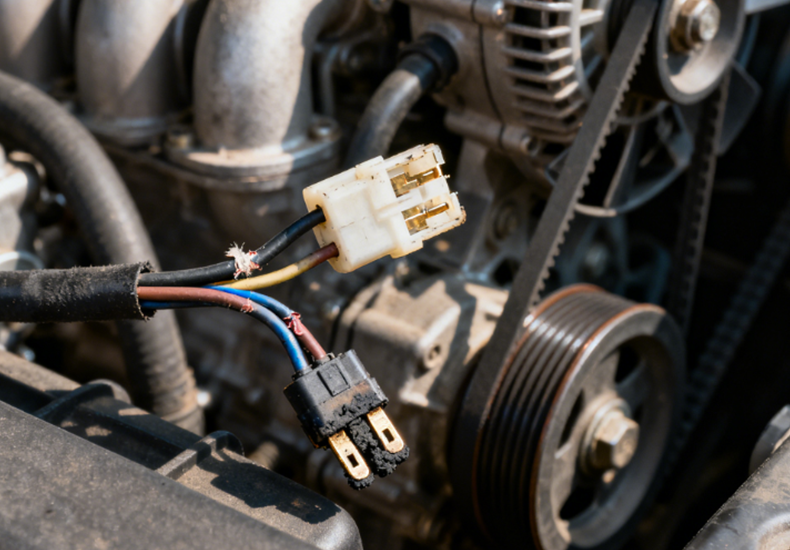
With a bad radiator fan, the temperature gauge becomes your early warning system. Check it frequently—especially during slowdowns, stops, uphill climbs, and traffic lights. If the needle climbs higher than usual, that’s a sign the cooling system is struggling. Don’t wait to see if it settles; overheating can happen quickly once the radiator fan can’t keep up.
Use your senses as well:
A sweet, hot smell may signal overheating coolant.
Steam or vapor from the front of the car usually indicates coolant boiling or escaping.
If you see or smell anything unusual, pull over as soon as it’s safe, turn off the engine, and allow it to cool completely. You can open the hood after a few minutes to let heat escape, but never remove the radiator cap on a hot engine—hot coolant under pressure can cause severe burns. Pushing the vehicle any further in this state risks turning a simple radiator fan issue into a major mechanical failure.
3.Turn On the Heater to Maximum
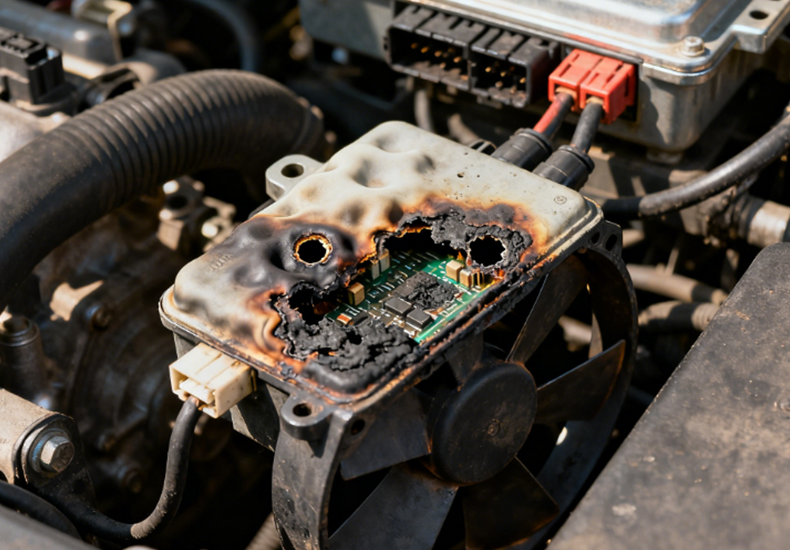
If your radiator fan isn’t moving enough air through the radiator, the cabin heater can serve as a temporary heat outlet. The heater core acts like a miniature radiator, and turning the heater to full hot with the blower on high forces hot coolant through it and releases heat into the cabin.
It won’t repair the radiator cooling fan or prevent overheating indefinitely, but it can slow down how quickly temperatures rise, buying a little more time to reach a safe location or repair shop. If the temperature gauge keeps climbing even with the heater blasting, that’s your signal to pull over immediately—comfort is irrelevant if the engine is at risk.
4.Avoid Stop-and-Go Traffic
A car with a failing radiator fan is most vulnerable when moving slowly. Stop-and-go traffic offers almost no natural airflow through the radiator, and without the radiator fan to compensate, engine temperatures can spike rapidly.
Plan your route with airflow in mind:
Choose roads with fewer traffic lights.
Avoid busy downtown areas and known congestion points.
Skip school zones, construction areas, and rush-hour routes when possible.
Even if an alternate route is a bit longer, a steady 40–60 km/h cruise with continuous airflow across the radiator is much safer than crawling through short-distance, low-speed traffic. If you must stop, leave some room ahead so you can roll slowly instead of stopping completely.

5.Turn Off the A/C
When the radiator fan isn’t working correctly, the cooling system is already overworked. Running the A/C adds load in two ways: the compressor puts extra strain on the engine, and the condenser (located in front of the radiator) dumps more heat into the same airflow the radiator desperately needs.
Turn the A/C off entirely and use open windows for ventilation. If possible, turn off other unnecessary electrical accessories—like heated seats or the rear window defroster—to reduce overall engine load.
Lowering the heat and mechanical strain helps the cooling system and whatever airflow you’re getting work more effectively. It won’t solve the radiator fan issue, but it can help stabilize temperature long enough to get the car safely parked and the radiator cooling fan professionally repaired before more serious damage occurs.
Read more:
https://www.yccfan.com/articledetail/552.html
https://www.yccfan.com/articledetail/551.html
Conclusion
Driving with a bad radiator fan is always a gamble—and the stakes are high. What starts as a simple cooling issue can quickly lead to engine overheating, blown head gaskets, warped cylinder heads, A/C system damage, and repair bills that are many times higher than the cost of replacing the fan itself.