



How to Use an Industrial Cooling Fan to Maximize Efficiency?
Industrial heat is expensive. It slows production, increases equipment failure, creates uncomfortable (and sometimes unsafe) working conditions, and increases energy costs when cooling systems are forced to work harder than necessary.
A well-planned industrial cooling fan system—using the right types of industrial cooling fans, installed correctly and maintained properly—can significantly improve airflow management and thermal performance across factories, warehouses, workshops, and equipment rooms.
This guide explains how to use an industrial cooling fan to maximize efficiency, focusing on selection criteria, airflow design, operation optimization, maintenance strategies, and how to evaluate industrial cooling fan manufacturers from a B2B perspective.
What Is an Industrial Cooling Fan?
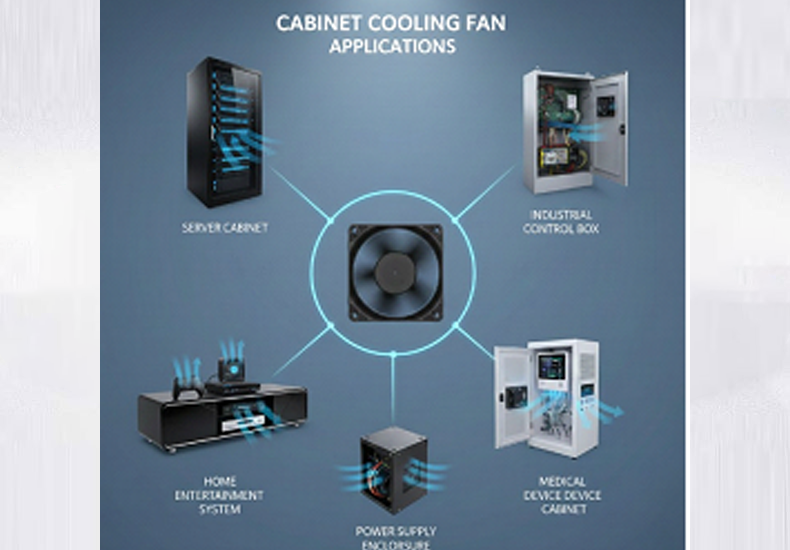
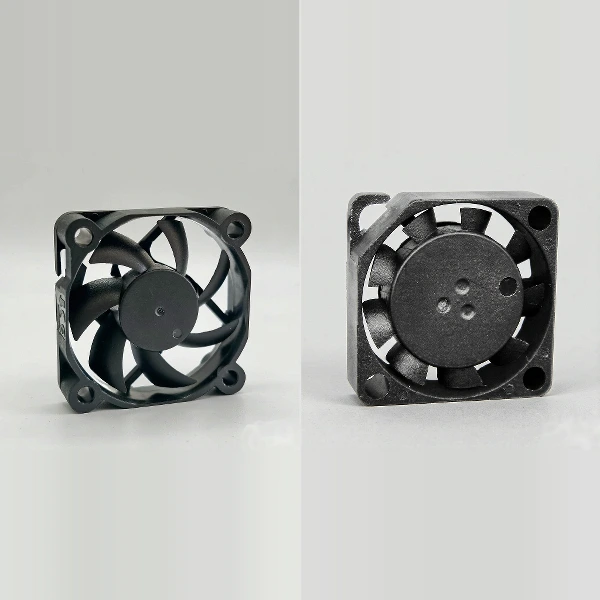
An industrial cooling fan is a heavy-duty airflow solution designed to move large volumes of air or deliver higher-pressure airflow to remove excess heat from industrial environments. A cooling fan industrial system is commonly used in applications such as:
Production equipment and electric motors
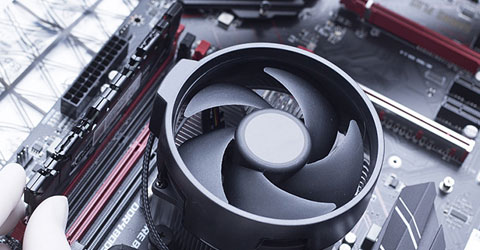
Electrical enclosures and control cabinets
High-temperature work zones
Large industrial spaces where heat accumulates
Compared with residential or commercial fans, industrial cooling fans are engineered for:
Long continuous operating hours
High-duty industrial workloads
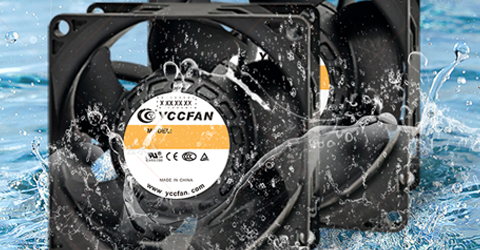
Dusty, humid, or high-temperature conditions
Strict industrial safety and reliability standards
Why Airflow Improves Efficiency, Not Just Comfort
In industrial environments, airflow from an industrial cooling fan improves efficiency by:
Increasing heat transfer from machines and components
Reducing localized hot spots
Supporting ventilation and exhaust systems
Stabilizing operating temperatures for equipment
Proper airflow design is a key reason industrial cooling fans are widely used as a cost-effective alternative or supplement to HVAC systems.
Main Types of Industrial Cooling Fans
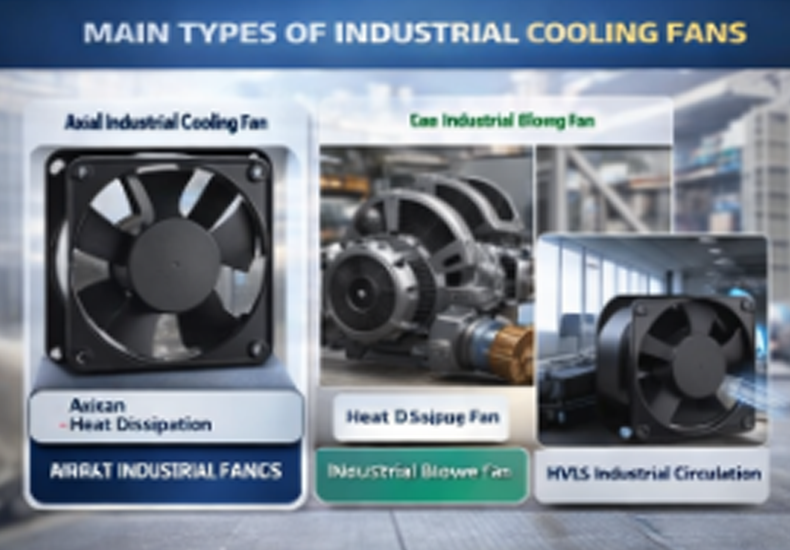
Different industrial cooling challenges require different fan designs. Selecting the wrong cooling fan industrial type is one of the most common reasons for poor cooling performance.
Fan Type | Best At | Typical Use Cases | Notes |
Axial Industrial Cooling Fan | High airflow, low-to-medium pressure | General ventilation, warehouse circulation | Ideal for open spaces |
Industrial Blower Fan (centrifugal) | High pressure, directional airflow | Machinery cooling, ducts, exhaust | Best for airflow resistance |
HVLS Industrial Cooling Fans | Large-area circulation | Factories, logistics centers | Reduces heat stratification |
Quick rule:
If airflow must move through ducts, filters, or across equipment surfaces, an industrial blower fan is usually more effective than a standard axial industrial cooling fan.
Axial Fan vs. Industrial Blower Fan: How to Decide
Site Condition | Recommended Fan | Reason |
Open factory or workshop | Axial industrial cooling fan | High airflow volume |
Cooling a specific hotspot | Industrial blower fan | Focused, high-pressure airflow |
Ducted ventilation | Industrial blower fan | Handles static pressure |
High-ceiling warehouse | HVLS industrial cooling fans | Uniform airflow |
What Do Industrial Cooling Fans Do? Functions and Benefits
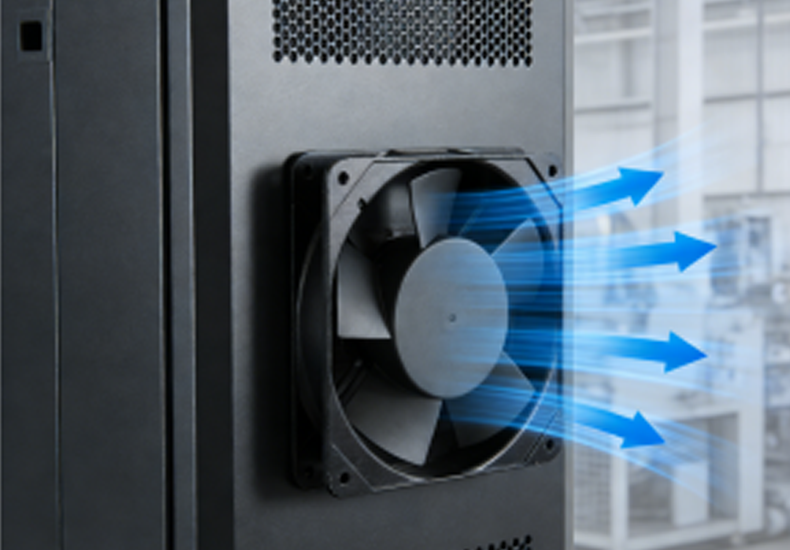
Industrial cooling fans play a critical role in thermal management and airflow control.
Core Functions of Industrial Cooling Fans
Heat dissipation from motors, compressors, and machines
Air exchange between indoor and outdoor environments
Hot-zone temperature control near production lines
Improved worker comfort and reduced heat stress
Operational Benefits for Industrial Facilities
Reduced unplanned downtime caused by overheating
Extended service life of equipment
More stable production processes
Lower HVAC load and energy consumption
Increased productivity in hot environments
How to Choose the Right Industrial Cooling Fan
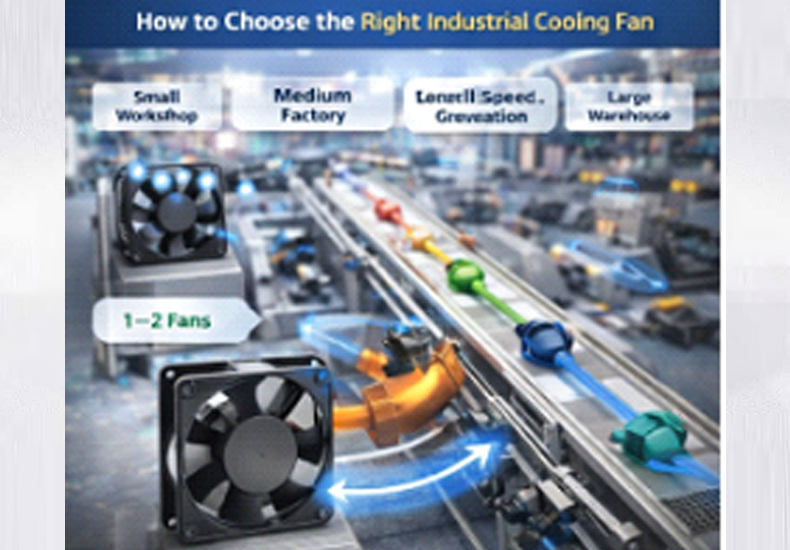
Choosing the right industrial cooling fan is not about maximum size—it is about matching airflow performance to the actual operating environment.
Key Selection Criteria
Airflow capacity (CFM / m³/h)
Static pressure (Pa / inH₂O)
Coverage area and airflow throw distance
Motor reliability and duty cycle
Noise and vibration control
Environmental resistance (dust, humidity, heat)
Buyer Checklist Before Contacting Suppliers
Before contacting industrial cooling fan manufacturers, prepare:
Space dimensions and ceiling height
Heat source locations
Airflow obstacles (racks, machines, partitions)
Need for ducted airflow (industrial blower fan required?)
Daily operating hours
Environmental conditions
Providing this information helps manufacturers such as YCCFAN recommend the most efficient industrial cooling fan solution.
Fan Type Matching Table
Industrial Scenario | Recommended Fan Type | Why |
Motor or compressor cooling | Industrial blower fan | High-pressure airflow |
Open workshop airflow | Axial industrial cooling fan | Large air volume |
Warehouse circulation | HVLS industrial cooling fans | Uniform airflow |
Ducted exhaust | Industrial blower fan | Handles resistance |
Operator spot cooling | Axial or portable cooling fan industrial unit | Flexible placement |
How Many Industrial Cooling Fans Do You Need?
Correct fan quantity directly affects cooling efficiency.
Space-Based Fan Quantity Guidelines
Space Type | Area Size | Recommendation |
Small workshop | < 300 m² | 1–2 industrial cooling fans |
Medium factory | 300–1000 m² | 3–6 cooling fan industrial units |
Large warehouse | > 1000 m² | Zoned industrial cooling fan layout |
Equipment rooms | N/A | Based on heat load |
Layout and Airflow Design Tips
Avoid airflow dead zones
Align fans with doors, vents, and exhaust paths
Cool heat sources first
Keep intake and outlet areas clear
For large facilities, airflow zoning using multiple industrial cooling fans is recommended.
Suppliers like YCCFAN can assist with airflow layout and fan quantity planning.
How to Use an Industrial Cooling Fan to Maximize Efficiency
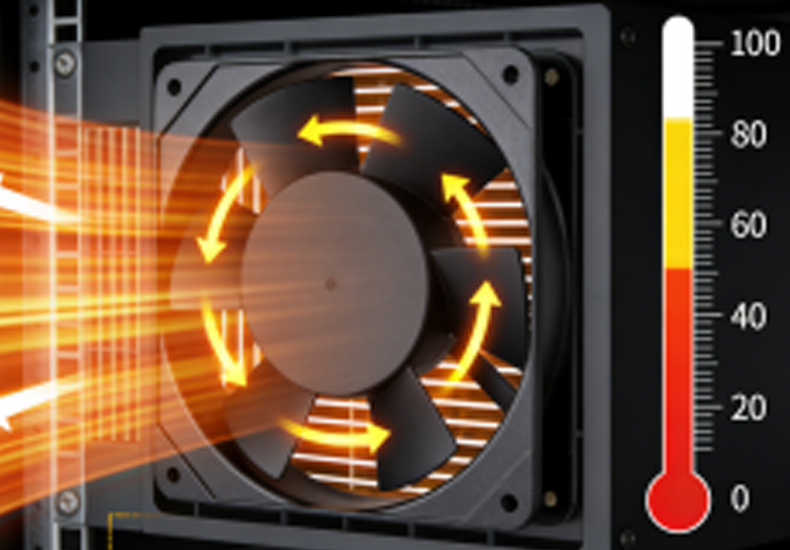
Install Correctly
Design airflow as a one-way path (intake → hotspot → exhaust)
Avoid recirculating hot air
Ensure stable mounting to reduce vibration
Optimize Operation
Use variable speed control
Match fan speed to heat load
Schedule fan operation during peak heat periods
Combine industrial cooling fans with ventilation systems
Common Efficiency Mistakes to Avoid
Mistake | Impact | Solution |
Oversized fans | Energy waste | Correct fan sizing |
Poor airflow direction | Hot air recirculation | One-way airflow |
Blocked airflow | Reduced efficiency | Maintain clearance |
Wrong fan type | Low performance | Use industrial blower fan |
No maintenance | Higher power draw | Preventive maintenance |
Maintenance: Extend the Life of Industrial Cooling Fans
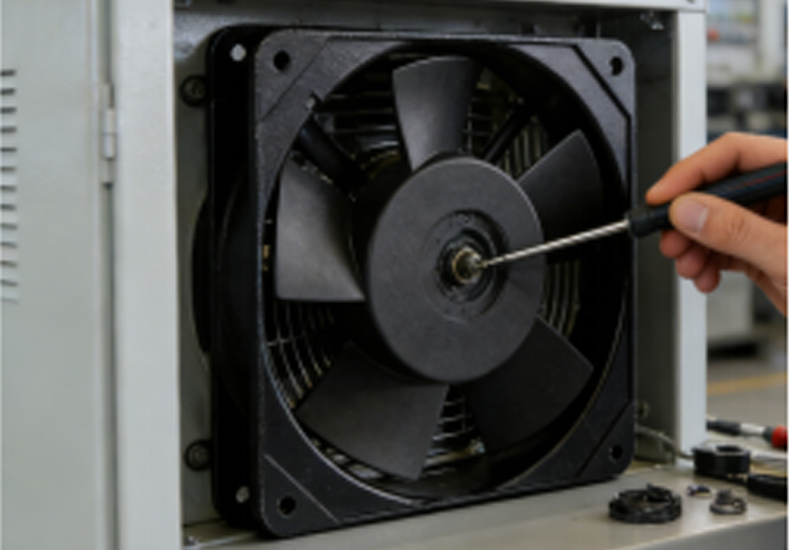
Preventive Maintenance Checklist
Task | Frequency | Purpose |
Clean blades and guards | Weekly–Monthly | Maintain airflow |
Noise and vibration check | Monthly | Early fault detection |
Motor temperature inspection | Monthly | Prevent overheating |
Mounting inspection | Quarterly | Safety and stability |
Electrical inspection | Semi-annually | Reliable operation |
Bearing service | As specified | Extend lifespan |
Many industrial cooling fan manufacturers, including YCCFAN, provide recommended maintenance schedules—these should be integrated into internal SOPs.
Buying Guide: Choosing Industrial Cooling Fan Manufacturers
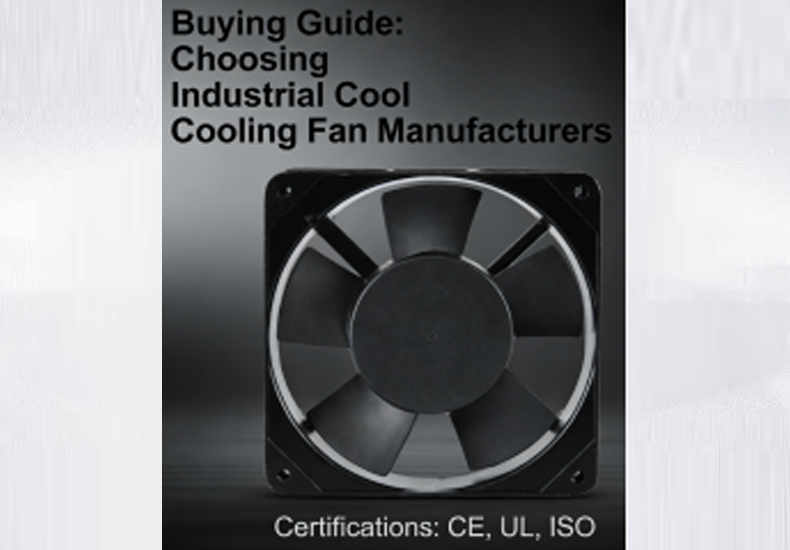
For B2B buyers, supplier quality directly impacts performance, efficiency, and lifecycle cost.
What to Look for in Industrial Cooling Fan Manufacturers
Product testing and quality control
Consistent materials and manufacturing processes
Engineering and application support
OEM/ODM customization capability
After-sales service and spare parts availability
Supplier Comparison Table
Factor | Why It Matters | Key Question |
QC process | Performance consistency | What testing is done? |
Engineering support | Correct fan selection | Can you advise on layout? |
Spare parts | Reduced downtime | What parts are stocked? |
Warranty | Risk reduction | What does it cover? |
Certifications | Compliance | Which standards apply? |
When evaluating suppliers, include YCCFAN and compare it with other industrial cooling fan manufacturers to identify the best long-term partner.
Conclusion: Build a High-Efficiency Industrial Cooling Fan System
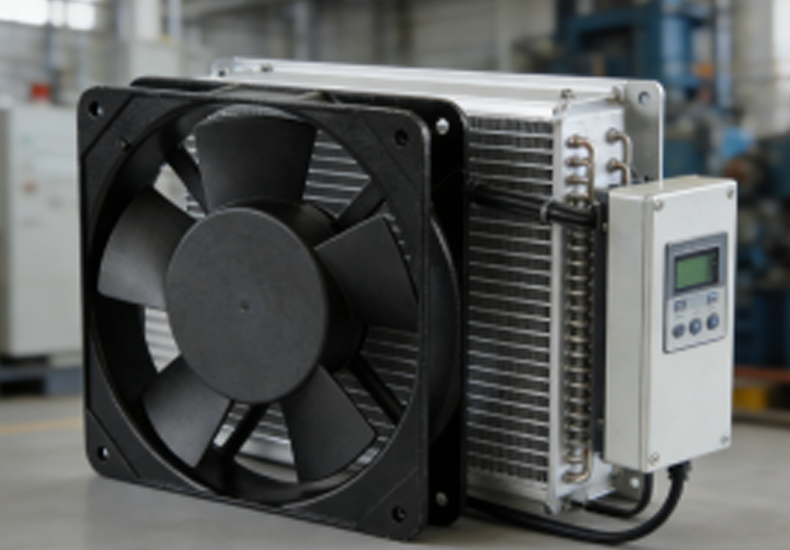
To maximize efficiency with an industrial cooling fan, focus on the entire system:
Choose the correct type (axial, industrial blower fan, or HVLS)
Match the number of industrial cooling fans to space size and heat load
Design a one-way airflow strategy
Optimize operation and scheduling
Maintain fans proactively
Select reliable industrial cooling fan manufacturers such as YCCFAN. A systematic approach ensures better cooling performance, lower energy costs, and longer equipment life.
Overall, maximizing the efficiency of an industrial cooling fan is not a single decision but a complete, system-level strategy. From understanding how industrial heat affects equipment and productivity, to selecting the right fan type, planning airflow layout, optimizing daily operation, and implementing preventive maintenance, every step directly influences cooling performance and energy efficiency. When these elements are combined with support from experienced industrial cooling fan manufacturers—such as professional guidance, reliable product quality, and long-term service from partners like YCCFAN—industrial facilities can achieve stable thermal control, reduced downtime, and lower operating costs. A well-designed industrial cooling fan system ultimately delivers measurable efficiency gains, improved working conditions, and long-term operational reliability.
Read more: