





Is the Radiator Cooling Fan Always On?
This guide explains when radiator fan operation is normal, when it requires inspection and what to check before replacing the fan.
Is a Radiator Fan Supposed to Run Continuously?
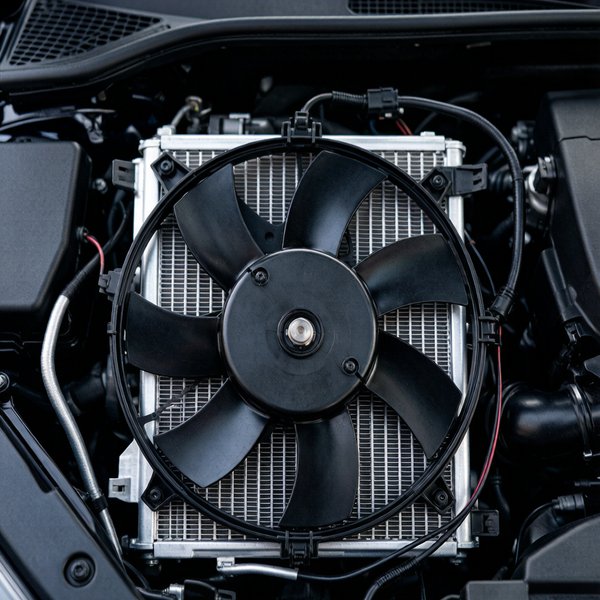
An electric radiator fan is not normally designed to run at full speed from a cold start until the engine is switched off. In most vehicles, it operates only when additional cooling is needed.
Normal operation may involve the fan starting and stopping at intervals as coolant temperature changes. In variable-speed systems, the fan may also adjust its speed instead of switching fully on or off.
More frequent operation is common in hot weather, heavy traffic or other conditions that increase thermal load. Some vehicles also keep the fan running briefly after shutdown to remove residual heat.
A mechanical fan follows a different operating pattern because its speed is linked to the engine and fan clutch. Its behavior should not be judged by the same standards used for an electric fan.
If you are unsure whether a cooling fan and a radiator fan serve the same function, our comparison article explains the differences in detail.
When Is Frequent Radiator Fan Operation Normal?
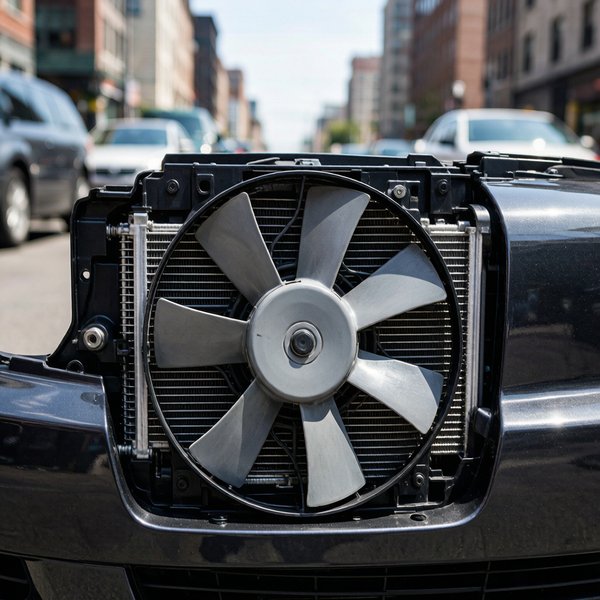
During Idling or Slow Traffic
At low vehicle speeds, less outside air passes naturally through the radiator. The fan may therefore cycle more often to maintain sufficient cooling while the vehicle is stationary or moving slowly.
When the Air Conditioning Is On
The A/C condenser releases heat in front of the radiator, increasing the cooling demand at the front of the vehicle. The control system may activate the fan, raise its speed or cycle it according to refrigerant pressure.
In Hot Weather or Under Heavy Load
High ambient temperatures reduce the radiator’s ability to release heat efficiently. Climbing, towing and extended low-speed operation can also increase engine load, causing the fan to run for longer periods.
Shortly After the Engine Is Turned Off
Heat remains in the engine compartment after shutdown and may continue raising local temperatures. Some vehicles keep the fan operating for a short period to manage this residual heat before switching it off automatically.
When Is Constant Fan Operation Abnormal?
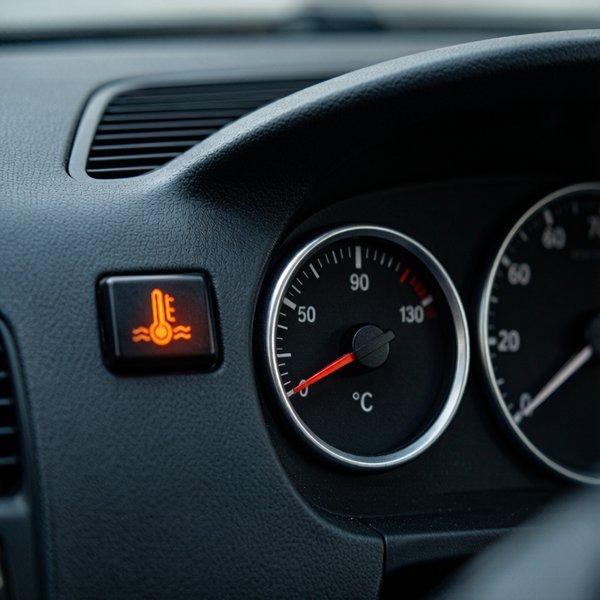
A radiator fan running frequently does not necessarily indicate a fault. On many vehicles, fan activation around 95–105°C (203–221°F) can fall within the normal control range, although the exact switch-on temperature must follow the vehicle manufacturer’s specification. Some systems, for example, switch the fan on near 100°C, while others verify fan operation at approximately 105°C.
Constant full-speed operation is more concerning when the engine is cold. After the vehicle has been parked overnight, the coolant-temperature reading should be close to ambient temperature; one manufacturer diagnostic procedure uses a difference of no more than ±2°C as a reference. If the coolant reads near ambient—such as 20–30°C on a mild day—but the fan immediately runs at maximum speed with the A/C off, the sensor signal, wiring or ECU fail-safe mode should be checked.
Fan operation after shutdown can also be normal. Depending on the vehicle, manufacturers may allow the fan to continue for 10–15 minutes, and some diesel applications permit approximately 16 minutes. Operation beyond the specified period, especially after the engine has cooled, may indicate a stuck relay, control-module fault or incorrect temperature signal.
Further diagnosis is recommended when continuous fan operation appears together with an overheating warning, abnormal coolant-temperature data, increased vibration or battery discharge. The most reliable judgment is therefore not one number alone, but a combination of coolant temperature, fan speed, A/C status, ECU command and run time. To see what run time is considered typical for your vehicle, our guide on how long a car cooling fan should stay on provides a useful reference.
Why Is My Radiator Fan Always Running?
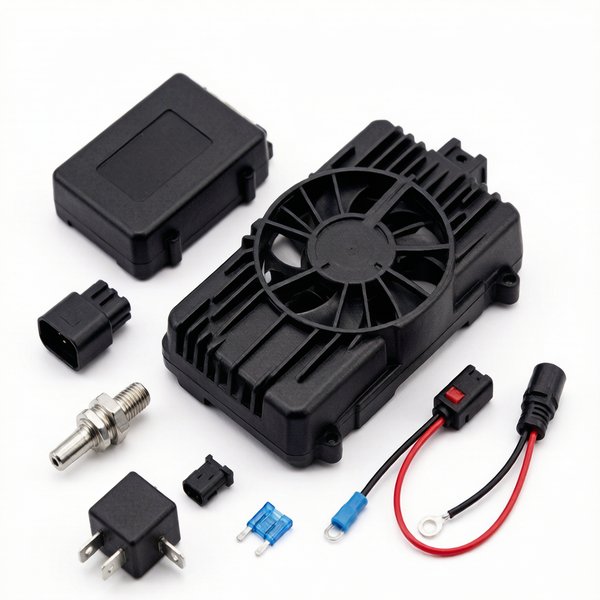
1. Faulty Coolant Temperature Sensor
A damaged sensor may report an incorrect temperature or fail to provide a usable signal. Without reliable temperature data, the ECU may command the fan to remain active as a precaution.
2. ECU Fail-Safe Mode
The ECU may switch the fan to high speed when it detects missing or implausible information from the cooling system. This protective strategy reduces overheating risk while a sensor, pump or communication fault is present.
3. Stuck Fan Relay
A relay with fused or stuck contacts can continue supplying electricity after the ECU has withdrawn the fan command. In this condition, the fan may keep running until the battery is disconnected or discharged.
4. Fan Control Module Failure
The control module regulates the power delivered to the motor. A failure can leave the fan locked at one speed, prevent normal speed changes or cause it to run without a valid request.
5. Actual Engine Overheating
The fan may be responding correctly to excessive heat rather than suffering an electrical fault. Low coolant, restricted radiator flow, a stuck thermostat, poor coolant circulation or a weak water pump can all extend fan operation.
6. A/C Pressure or Control Problem
An incorrect refrigerant pressure signal can make the control system request unnecessary fan operation. This may happen even when the coolant temperature remains within its normal range.
Normal Cycling vs. a Fan Stuck On
Observing the pattern—whether the fan cycles with temperature or stays locked on—helps separate a control issue from a genuine cooling demand before any parts are replaced.
When a replacement becomes necessary, matching the operating voltage to the vehicle electrical system is an important step — our guide on choosing 12V, 24V and 48V DC cooling fans covers the key factors.
What Should You Check Before Replacing the Fan?

1. Check the Coolant Level
Inspect the coolant only when the engine is cold. A low level can reduce heat transfer and cause the fan to operate longer even when the fan itself is functioning correctly.
2. Observe a Cold Start
Start the vehicle from a fully cold condition and note whether the fan begins at maximum speed immediately. This can help separate a genuine high-temperature response from an electrical or control issue.
3. Check the Temperature Display
Review the dashboard temperature reading and warning indicators. An implausible reading may point to a sensor or wiring fault rather than a damaged fan motor.
4. Switch the A/C Off
Observe whether fan behavior changes after the air conditioning is turned off. If it does not, the cause may be unrelated to normal condenser cooling demand.
5. Read Diagnostic Data
Diagnostic trouble codes and live coolant-temperature data can show whether the ECU is receiving realistic information and whether it is intentionally requesting fan operation.
6. Inspect the Electrical Circuit
Check the fuse, relay, wiring connections and fan control module for damage, corrosion or overheating. These components can cause continuous operation even when the motor remains serviceable.
7. Confirm the ECU Command
Determine whether the ECU is actively commanding the fan to run. This helps distinguish between a control-system request and a relay or power circuit that is stuck on.
A continuously running fan does not automatically mean the motor has failed. The motor may simply be responding to an incorrect command from another part of the system.
Does Continuous Operation Damage the Radiator Fan?
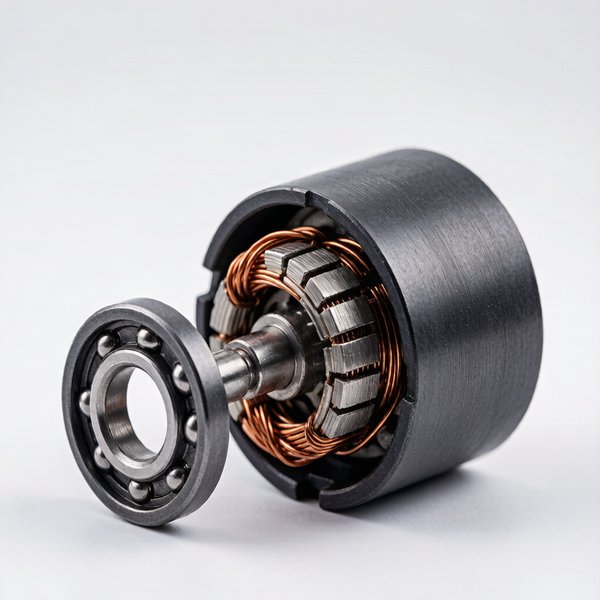
Continuous operation does not immediately damage a radiator fan, but unnecessary full-speed running can shorten the service life of the motor and bearings. The risk depends on motor temperature, fan speed, operating duration and the condition of the mounting system.
Continuous operation also increases electrical consumption. For example, a 20 A fan running for 30 minutes uses about 10 Ah of battery capacity. If the fan remains active after the engine is switched off and the alternator is no longer charging, repeated operation can weaken the battery or cause starting problems.
Prolonged high-speed use can also accelerate bearing wear and expose small balance or mounting issues. Increasing vibration, irregular rotation or a clear change in operating sound may indicate that the fan should be inspected.
For applications requiring frequent cycling or extended operation, YCCFAN can adjust the motor, bearing structure, speed control, wiring and protection functions through OEM and ODM development.
Frequently Asked Questions
1. How Long Should My Radiator Fan Stay On?
A radiator fan should run only as long as the vehicle needs additional cooling. During normal driving, it may cycle on and off for short periods, while hot weather, idling, towing or A/C operation can extend the run time.
Some vehicles also keep the fan operating for several minutes after the engine is switched off. The exact duration depends on coolant temperature, engine-bay heat and the manufacturer’s control strategy. If the fan continues after the engine has fully cooled, the relay, temperature sensor or fan control system should be checked.
2. How Do I Stop My Radiator Fan from Running?
You should not stop a radiator fan by unplugging it or removing its fuse while the engine is hot. The fan may be operating correctly to prevent overheating.
If it runs abnormally, turn off the A/C and allow the engine to cool before checking coolant level, temperature data, diagnostic codes, the relay and the control module. A fan that remains powered after the ECU has stopped requesting cooling may have a stuck relay or electrical fault.
3. Can a Radiator Fan Drain the Car Battery?
Yes, a radiator fan can drain the battery if it continues running after the engine is off. The risk is higher when a relay sticks, a control module fails or an incorrect temperature signal keeps the fan energized.
For example, a fan drawing 20 A for 30 minutes consumes about 10 Ah of battery capacity. Repeated operation of this type can weaken the battery and cause starting problems.
4. Why Does My Radiator Fan Run at Full Speed from a Cold Start?
A radiator fan running at full speed from a cold start often indicates a missing or unreliable control signal. The ECU may use maximum fan speed as a fail-safe response when it cannot confirm coolant temperature or detect normal communication with the cooling system.
The coolant-temperature sensor, wiring, connectors, control module and diagnostic trouble codes should be checked before replacing the fan motor.
5. How Can YCCFAN Support Fans Used for Frequent or Extended Operation?
YCCFAN supports automotive cooling fan projects with airflow and static-pressure testing, noise measurement, reliability testing and high-precision dynamic balancing. These checks help evaluate whether a fan can maintain stable rotation, controlled vibration and consistent airflow during frequent cycling or extended operation.
Automated production and inspection under IATF 16949 quality management also help improve performance consistency between production batches.
6. Can YCCFAN Customize Fan Control and Protection Functions?
Yes, YCCFAN can customize cooling fans with voltage, speed, bearing, wire length, connector and control-function options. Depending on the project, available functions may include PWM speed control, FG speed feedback, RD failure detection, automatic restart and polarity protection.
These options allow the fan to respond more accurately to thermal demand while supporting system monitoring and fault detection in automotive electronic cooling applications.
Conclusion
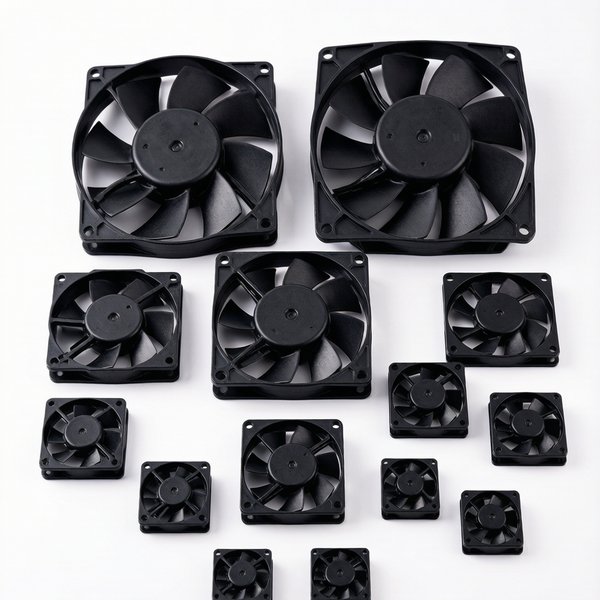
YCCFAN supports automotive cooling fan projects with customizable voltage, speed control, bearing, wiring, connector and protection options. Contact YCCFAN with your operating conditions and fan requirements to develop a reliable cooling solution for frequent cycling or extended-duty applications. If you need a fan built for demanding duty cycles, explore our custom cooling fan manufacturing options and share your specifications with YCCFAN to find a suitable radiator cooling solution.